
Digital Banking

Digital banking refers to the use of electronic channels, platforms, and technologies by financial institutions to deliver banking services and conduct transactions. It enables customers to perform various financial activities without visiting a physical bank branch. Digital banking services are accessible through multiple devices such as computers, smartphones, and tablets. They offer a wide range of functionalities, including: Online Banking: This allows customers to access their bank accounts, view transaction history, transfer funds between accounts, pay bills, and manage their finances via a secure website or mobile application. Mobile Banking: Similar to online banking, mobile banking offers the convenience of accessing banking services through mobile devices. Users can perform transactions, check balances, deposit checks through mobile capture, and receive alerts on their smartphones or tablets. Digital Wallets: These platforms enable users to store payment information securely and make payments electronically using their smartphones or other devices. Examples include Apple Pay, Google Pay, and Samsung Pay. Peer-to-Peer (P2P) Payments: Services like Venmo, PayPal, and Cash App allow users to transfer funds to friends, family, or businesses electronically, typically using a mobile app. Robo-Advisors: Digital platforms that provide automated, algorithm-driven financial planning services with minimal human intervention. They offer investment advice, portfolio management, and financial planning based on individual goals and risk tolerance. Cryptocurrency Services: Some digital banks and financial institutions offer services related to buying, selling, and holding cryptocurrencies, catering to the growing interest in digital assets like Bitcoin and Ethereum. Digital banking offers convenience, accessibility, and often quicker transaction processing times. It also raises concerns regarding cybersecurity, data privacy, and the need for robust authentication measures to protect sensitive financial information. Financial institutions worldwide are increasingly investing in digital banking technologies to meet customer demands for seamless, convenient, and secure banking experiences. While adapting to the evolving landscape of financial services.
Efficient Blockchain

An efficient blockchain is one that effectively balances several key factors to optimize its performance, scalability, security, and resource utilization while maintaining its core principles of decentralization and immutability. Achieving efficiency in blockchain involves several strategies and considerations: Consensus Mechanisms: The consensus algorithm used in a blockchain significantly impacts its efficiency. Proof of Work (PoW), while secure, consumes a lot of energy. Other mechanisms like Proof of Stake (PoS), Delegated Proof of Stake (DPoS), Proof of Authority (PoA), or Proof of Space/Time aim to improve efficiency by requiring fewer computational resources. Scalability Solutions: Blockchain networks face scalability challenges as they grow. Implementing solutions like sharding, sidechains, off-chain transactions (like the Lightning Network for Bitcoin), and state channels can improve scalability by processing more transactions per second without burdening the main chain. Optimized Smart Contracts: Smart contracts execute on the blockchain and can impact its efficiency. Writing efficient code, reducing unnecessary computations, and optimizing gas fees (in Ethereum and similar blockchains) can enhance the efficiency of smart contracts. Layer 2 Solutions: These are protocols built on top of a blockchain to enhance its capabilities without altering the underlying consensus mechanism. Examples include Plasma, Raiden (for Ethereum), and the Lightning Network (for Bitcoin). Interoperability and Standards: Developing standards and protocols that allow different blockchains to communicate and interact seamlessly can improve efficiency by enabling interoperability between various networks. Improved Network Infrastructure: Ensuring a robust network infrastructure with high-performance nodes, optimized peer-to-peer communication, and efficient data storage mechanisms can enhance blockchain efficiency. Governance and Upgrades: Having a well-defined governance model for protocol upgrades and changes can enable quicker adoption of improvements and innovations in the blockchain network. Security Measures: Implementing robust security measures, such as encryption, multi-factor authentication, and regular security audits, is crucial to prevent attacks and maintain the integrity of the blockchain while ensuring efficient operations. Reducing Confirmation Times: Minimizing the time required for transaction confirmations enhances the user experience and overall efficiency of the blockchain network. Energy Efficiency: Energy consumption is a significant concern, especially for Proof of Work blockchains like Bitcoin. Transitioning to more energy-efficient consensus mechanisms or exploring renewable energy sources for mining operations can improve overall efficiency. Efficiency in blockchain is a multifaceted challenge that involves technological, economic, and environmental considerations. Striking a balance between security, decentralization, scalability, and resource consumption is crucial in designing and operating an efficient blockchain network.
Lightweight Blockchain

A lightweight blockchain typically refers to a blockchain protocol or implementation that aims to reduce the resource requirements necessary for participating in the blockchain network. This reduction in resource requirements can make blockchain technology more accessible and practical for a wider range of devices and applications. Here are some ways lightweight blockchains are developed or implemented: Simplified Verification Process: Lightweight blockchains often adopt methods to simplify the verification of transactions. This can involve using simplified payment verification (SPV) or similar techniques that allow nodes to verify transactions without needing to store the entire blockchain history. Reduced Storage Requirements: Implementations might employ techniques like pruning, where older and less relevant data are discarded from the blockchain to reduce storage requirements for network participants. Efficient Consensus Mechanisms: Some lightweight blockchains use consensus mechanisms that require fewer computational resources compared to the energy-intensive Proof of Work (PoW) mechanism. For example, Proof of Stake (PoS) or other variations that rely on less computational power. Optimized Data Structures: Employing data structures and compression techniques that reduce the overall size of the blockchain data without compromising its integrity or security. Off-Chain Solutions: Implementing off-chain solutions or layer-2 protocols can alleviate the burden on the main blockchain by handling transactions or computations off-chain, thereby reducing the load on the main network. Blockchain Pruning and Snapshots: Techniques like pruning (removing unnecessary data) and snapshots (taking a state of the blockchain at a certain point) help reduce the data size required to verify and validate transactions. Enhanced Scalability: Implementing scaling solutions like sharding or sidechains can help in partitioning the network, enabling parallel transaction processing and reducing the burden on individual nodes. Mobile-Friendly Implementations: Developing blockchain protocols that are optimized for mobile devices, ensuring they can run efficiently on devices with limited resources like smartphones or IoT (Internet of Things) devices. These approaches aim to retain the core principles of blockchain while making it more accessible to a broader range of devices and use cases by reducing the resource-intensive requirements that traditional blockchain networks might have. However, balancing lightweight characteristics with security and decentralization remains a challenge in the development of such blockchain solutions.
Blockchain Framework

A blockchain framework is a foundational structure or architecture that provides the necessary tools, protocols, and libraries for building and operating blockchain-based applications and networks. Blockchain frameworks serve as a basis for creating, deploying, and managing blockchain technology. These frameworks are essential for developers and organizations interested in creating their own blockchain solutions or working with existing blockchain networks. Here are some commonly used blockchain frameworks: Hyperledger Fabric: Hyperledger Fabric is an open-source blockchain framework hosted by the Linux Foundation. It is designed for enterprise use cases and provides modularity, permissioned networks, and support for smart contracts. Fabric allows organizations to create private, consortium, or public blockchains. Ethereum: Ethereum is an open-source blockchain platform and framework for building decentralized applications (DApps). It supports smart contracts, which are self-executing contracts with the terms of the agreement directly written into code. Corda: Corda is an open-source blockchain platform developed by R3. It is designed for financial institutions and focuses on enabling direct, private transactions between parties. Corda is particularly suited for managing financial agreements. Quorum: Quorum is an enterprise-focused blockchain framework built on Ethereum. It’s designed to provide privacy and data confidentiality, making it suitable for financial and supply chain applications. Stellar: Stellar is an open-source framework designed for cross-border payments and asset issuance. It emphasizes fast and low-cost transactions, making it ideal for financial applications. EOSIO: EOSIO is an open-source blockchain framework for developing scalable DApps. It focuses on providing high throughput and is often used for applications where speed and scalability are crucial. Tezos: Tezos is a self-amending blockchain framework that allows for on-chain governance. It aims to provide a platform for smart contracts and DApps with a focus on security and upgradability. Avalanche: Avalanche is a consensus mechanism and blockchain framework designed for high performance and scalability. It offers a variety of blockchain deployment options, making it versatile for different use cases. Binance Smart Chain (BSC): Binance Smart Chain is a blockchain framework that is compatible with Ethereum, allowing developers to port Ethereum DApps to BSC for lower transaction fees and higher throughput. These blockchain frameworks provide developers and organizations with the tools and infrastructure needed to create custom blockchain applications or participate in existing blockchain networks. The choice of framework depends on the specific requirements of the project, such as scalability, privacy, consensus mechanisms, and the target use case.
Digital Marketing Skills

Digital marketing is a dynamic field that requires a diverse set of skills to succeed. Here is a list of essential digital marketing skills: Content Marketing: Content is the backbone of digital marketing. You should be skilled in creating high-quality, engaging, and relevant content, including blog posts, videos, infographics, and more. Search Engine Optimization (SEO): Understanding SEO is crucial to ensure your content ranks well in search engine results. You need to know how to optimize keywords, meta tags, and content structure. Social Media Marketing: Proficiency in managing and growing a company’s presence on social media platforms like Facebook, Twitter, Instagram, and LinkedIn is essential. Email Marketing: Creating and managing email marketing campaigns, including building subscriber lists, designing newsletters, and analyzing performance metrics. Pay-Per-Click (PPC) Advertising: Mastery of platforms like Google Ads and Facebook Ads, including keyword research, ad copywriting, and bid management. Analytics and Data Analysis: Being able to interpret data from various tools like Google Analytics and social media insights to make informed decisions and optimize marketing strategies. Conversion Rate Optimization (CRO): Understanding user behavior and making improvements to websites or landing pages to increase conversion rates. Marketing Automation: Utilizing tools like HubSpot, Marketo, or Mailchimp to automate marketing processes and nurture leads. Graphic Design: Basic graphic design skills for creating visuals and images for use in content and social media. Video Production and Editing: As video content becomes increasingly important, knowledge of video production and editing tools is valuable. A/B Testing: Testing different versions of content or web pages to determine which performs better and makes data-driven decisions. Content Management Systems (CMS): Proficiency in platforms like WordPress to manage and update websites. Social Media Advertising: Running paid advertising campaigns on social media platforms, targeting specific audiences and analyzing results. Mobile Marketing: Understanding the unique aspects of marketing to mobile users, including mobile SEO and in-app advertising. Influencer Marketing: Building relationships with influencers and managing influencer marketing campaigns. Public Relations: Managing the online reputation of a brand, handling crises, and building positive media relations. Adaptability and Continuous Learning: The digital marketing landscape is ever-evolving. You must stay updated with the latest trends and technologies. Remember that digital marketing is a broad field, and not all roles require expertise in every area. Depending on your specific career goals, you may need to focus on certain skills more than others. Additionally, certifications and courses in digital marketing can be valuable for developing and showcasing your skills.
Pay Per Click Advertising

Pay-Per-Click (PPC) advertising is an online advertising model where advertisers pay a fee each time their ad is clicked. It’s a way to buy visits to a website rather than earning them organically through search engine optimization (SEO). PPC is a crucial component of digital marketing and is used to drive targeted traffic to websites, increase brand visibility, and generate leads or sales. How PPC advertising works and some popular PPC platforms: How PPC Works: Ad Placement: Advertisers bid on specific keywords or phrases relevant to their target audience. When users search for those keywords, the ads are displayed. Ad Auction: When a user initiates a search, the search engine (e.g., Google, Bing) conducts an auction to determine the ad placements. This auction considers bid amounts, ad relevance, and other factors. Ad Ranking: Ads are ranked based on a combination of bid amount and the ad’s Quality Score, which assesses ad relevance, click-through rates, and landing page quality. Ad Display: If an advertiser’s bid and ad quality are competitive, their ad is displayed in a prominent position on the search results page or on websites within a display network. Cost per Click (CPC): Advertisers are charged a certain amount only when a user clicks on their ad. The cost per click varies based on the competitiveness of the keywords and the auction. Popular PPC Platforms: Google Ads (formerly Google AdWords): Google’s advertising platform, offering both search ads and display ads across Google’s search network, partner sites, and YouTube. Allows precise targeting based on keywords, location, demographics, devices, and more. Bing Ads (Microsoft Advertising): Microsoft’s advertising platform, serving ads on Bing search engine and its partner networks. Similar to Google Ads, offering keyword-based targeting and various ad formats. Facebook Ads: Allows advertisers to create highly targeted ads based on demographics, interests, behavior, and connections on Facebook and Instagram. Supports various ad types, including image, video, carousel, and more. LinkedIn Ads: Ideal for B2B advertising, targeting professionals based on job title, industry, company size, and more. Offers sponsored content, sponsored InMail, display ads, and more. Twitter Ads: Enables advertisers to promote tweets, accounts, or trends to reach a specific audience on Twitter. Targeting options include keywords, interests, demographics, and events. Amazon Advertising: Allows advertisers to promote products on Amazon and reach customers while they’re shopping. Supports sponsored products, sponsored brands, and sponsored display ads. YouTube Ads: Advertisements displayed on YouTube, including video ads, display ads, overlay ads, and sponsored cards. Targeting options based on demographics, interests, and viewing behavior. Effective Pay-Per-Click advertising involves careful keyword selection, compelling ad copy, relevant landing pages, continuous monitoring, and optimization based on performance metrics like click-through rate (CTR), conversion rate, and return on investment (ROI). Advertisers aim to maximize ROI and achieve their advertising objectives through PPC campaigns.
Blockchain Technology in Marketing
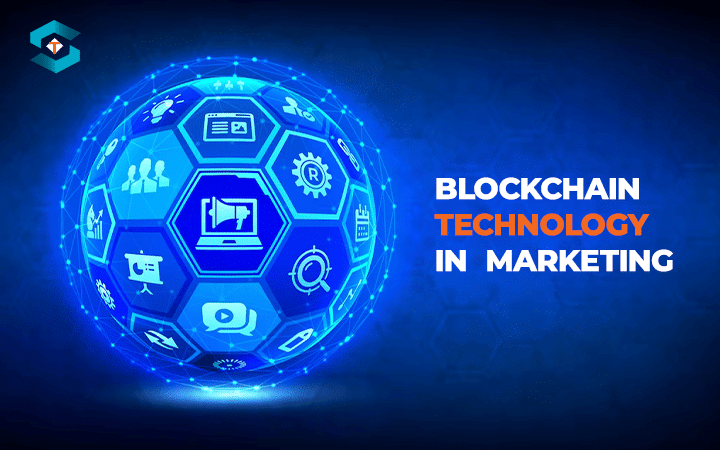
Blockchain technology in marketing has been gaining traction in various industries, including marketing. Its potential to enhance transparency, security, and efficiency has led marketers to explore its applications. Here are several ways blockchain is being utilized in marketing: Transparency and Authenticity: Blockchain can be used to verify the authenticity of products or services. By creating a tamper-proof and publicly accessible ledger, consumers can trace the origin and journey of a product, ensuring it’s genuine and ethically sourced. Smart Contracts: Smart contracts, self-executing contracts with the terms directly written into code, can automate various processes in marketing, such as agreements, payments, and royalties. This reduces the need for intermediaries and streamlines transactions. Data Privacy and Security: Blockchain can provide a secure and decentralized way to handle and store sensitive customer data. This helps in maintaining data privacy, preventing unauthorized access, and ensuring the accuracy of data. Customer Loyalty Programs: Blockchain can be used to create and manage loyalty programs, allowing businesses to tokenize loyalty points. This makes the process more transparent, reduces fraud, and enables customers to easily track and redeem their rewards. Ad Fraud Prevention: Blockchain can combat ad fraud by recording every advertising transaction on a public ledger. This transparency helps advertisers verify the legitimacy of ad impressions and clicks, reducing fraudulent activities. Media Buying and Selling: Blockchain can simplify the process of buying and selling advertising space and media. It can create a decentralized marketplace where advertisers and publishers can transact directly, ensuring fair and transparent transactions. Copyright and Intellectual Property Protection: Blockchain can be utilized to timestamp and authenticate creative works, ensuring the originality and ownership of content. This is particularly useful in protecting copyrights and intellectual property in the marketing and advertising industry. Supply Chain Management: For businesses dealing with physical products, blockchain can provide end-to-end transparency in the supply chain. This can help in verifying the authenticity of products and ensuring compliance with ethical and environmental standards. Cross-Channel Attribution: Blockchain can assist in tracking and attributing marketing activities across various channels. It helps in analyzing the effectiveness of different marketing efforts and optimizing campaigns based on accurate data. Decentralized Identity Management: Blockchain can facilitate a decentralized identity system where consumers have control over their personal data. Marketers can request access to this data with consumer consent, promoting trust and data integrity. While blockchain technology has promising potential in marketing, it’s essential to consider challenges like scalability, integration with existing systems, and regulatory frameworks. As the technology continues to evolve, its adoption and integration into marketing practices are expected to increase.
E-commerce Marketing
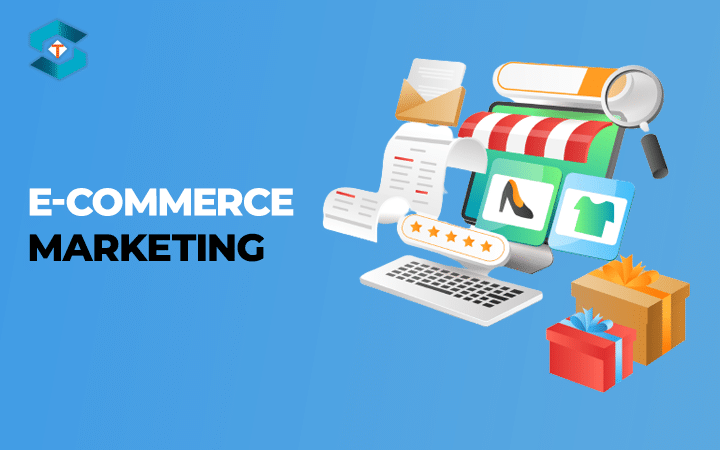
E-commerce marketing involves promoting and selling products or services online through various marketing strategies and tactics. The goal is to attract potential customers, drive traffic to an online store, encourage purchases, and build a loyal customer base. Here are key aspects of e-commerce marketing: Website Optimization: Ensure your e-commerce website is user-friendly, mobile-responsive, and easy to navigate. Optimize website speed, improve load times, and provide a seamless browsing experience. Search Engine Optimization (SEO): Implement SEO strategies to improve your website’s visibility on search engine results pages (SERPs). Conduct keyword research and optimize product descriptions, meta tags, and URLs. Content Marketing: Create high-quality, informative, and engaging content related to your products or industry. Use blogs, videos, infographics, and other content types to attract and educate your audience. Social Media Marketing: Utilize popular social media platforms to engage with your target audience and showcase your products. Run targeted ad campaigns and post regular updates to increase brand awareness and drive traffic to your e-commerce site. Email Marketing: Build an email list and engage with customers through newsletters, promotions, discounts, and product updates. Personalize email campaigns to cater to specific customer preferences and behaviors. Pay-Per-Click (PPC) Advertising: Run paid advertising campaigns on platforms like Google Ads, Facebook Ads, and others to drive immediate traffic and sales. Set a budget, target specific demographics, and optimize ad performance for the best ROI. Influencer Marketing: Collaborate with influencers in your industry to promote your products to their audience. Identify relevant influencers and create partnerships that align with your brand image. Customer Reviews and Testimonials: Encourage satisfied customers to leave reviews and testimonials on your website and third-party review platforms. Showcase positive feedback to build trust and credibility with potential customers. Loyalty Programs and Retargeting: Implement loyalty programs to incentivize repeat purchases and customer retention. Utilize retargeting ads to re-engage visitors who have shown interest in your products but haven’t made a purchase. Data Analytics and Optimization: Utilize data analytics tools to track user behavior, conversions, and campaign performance. Use the insights gained to optimize marketing strategies and improve overall e-commerce performance. Partnerships and Collaborations: Collaborate with complementary brands for co-marketing efforts, cross-promotions, or joint campaigns to expand your reach. Customer Service and Support: Provide exceptional customer service to address queries, concerns, and issues promptly, enhancing the overall customer experience. Effective e-commerce marketing involves a combination of these strategies, tailored to your target audience and the nature of your products or services. Continuously monitor and adjust your marketing efforts based on performance metrics to achieve the best results.
Influencer Marketing

Influencer marketing is a strategic collaboration between brands and individuals, known as influencers, who possess a substantial online following and credibility within a specific industry or niche. Brands partner with influencers to promote products, services, or campaigns to their audience, leveraging the influencer’s trust and influence to drive engagement, brand awareness, and potential conversions. This form of marketing is characterized by authentic, relatable content creation that resonates with the influencer’s followers, fostering a more personal connection between the brand and its target audience. Here are various aspects: Identifying the Right Influencers: Criteria for selecting influencers (reach, relevance, engagement, etc.) Different types of influencers (micro, macro, mega, nano) and their impact Influencer Outreach and Engagement: Crafting effective outreach messages to approach influencers Building relationships and maintaining engagement with influencers Creating Influencer Campaigns: Designing a comprehensive influencer marketing campaign strategy Setting campaign goals, objectives, and key performance indicators (KPIs) Legal and Ethical Considerations: Legal aspects, contracts, and compliance in influencer marketing FTC guidelines and disclosure requirements for sponsored content Content Collaboration and Creation: Co-creating content with influencers to align with brand messaging Leveraging various content formats (e.g., videos, sponsored posts, stories) Measuring Influencer ROI: Analyzing the effectiveness and impact of influencer campaigns ROI metrics, tracking tools, and data analytics for influencer marketing Long-term Influencer Relationships: Strategies for fostering ongoing relationships with influencers Maximizing the value of long-term influencer partnerships Platforms and Tools: Overview of platforms for influencer discovery, collaboration, and management Tools for monitoring influencer performance and campaign success Different Industries: Tailoring influencer marketing strategies for various industries (e.g., fashion, beauty, technology) User-Generated Content (UGC) through Influencers: Encouraging influencers to generate user-centric content for the brand Repurposing UGC across marketing channels for enhanced engagement Influencer Diversity and Inclusion: Embracing diversity and inclusion in influencer marketing campaigns Strategies for working with influencers from diverse backgrounds and communities Influencer Crisis Management: Strategies for handling influencer-related crises and negative publicity Damage control and reputation management in influencer partnerships Incorporating influencer marketing into your digital strategy can significantly boost brand awareness, credibility, and engagement. It’s important to stay updated on trends and best practices to effectively leverage this marketing approach.
Neuromarketing

Neuromarketing is a field that combines principles of neuroscience with marketing to understand and influence consumer behavior. There are various tools and techniques used in neuromarketing to gain insights into consumer responses, preferences, and decision-making processes. Here are some commonly used neuromarketing tools and techniques: Functional Magnetic Resonance Imaging (fMRI): fMRI measures brain activity by detecting changes in blood flow. It helps marketers understand how specific stimuli or advertisements activate different regions of the brain, providing insights into consumer preferences and responses. Electroencephalography (EEG): EEG measures electrical activity in the brain, offering real-time insights into brain responses. It’s used to evaluate the brain’s reaction to various stimuli like advertisements, packaging, or product designs. Eye Tracking: Eye tracking technology monitors and records where a person looks while viewing a stimulus, such as an advertisement or webpage. It helps in analyzing visual attention and identifying the most engaging elements. Galvanic Skin Response (GSR): GSR measures changes in skin conductance due to emotional arousal or stress. It can provide insights into consumer emotional responses and engagement with marketing stimuli. Heart Rate Monitoring: Monitoring heart rate helps measure physiological arousal and emotional engagement in response to marketing stimuli. It can reveal the emotional impact of advertisements or product presentations. Facial Expression Analysis: Facial expression analysis uses computer vision to detect and analyze facial expressions, providing insights into emotional responses to stimuli like advertisements or product displays. Implicit Association Test (IAT): IAT measures implicit attitudes and beliefs that individuals may not be consciously aware of. It helps in understanding subconscious perceptions and attitudes towards brands or products. Virtual Reality (VR): Virtual reality can be used to create immersive experiences related to products or brands. It allows marketers to study consumer behavior within a controlled virtual environment and gather insights on preferences and reactions. Biometric Sensors: Biometric sensors measure physiological responses like heart rate, skin conductance, and muscle activity. These sensors help in understanding emotional arousal and engagement with marketing stimuli. Neurofeedback and Biofeedback: Neurofeedback involves training individuals to modify their brainwave patterns through real-time feedback. Biofeedback measures physiological responses and can help individuals learn to regulate their responses. These tools and techniques enable marketers to gain a deeper understanding of consumer behavior, enabling the development of more effective marketing strategies and campaigns. However, it’s important to use these tools ethically and responsibly, ensuring privacy and consent of participants.