
Cyber Physical Systems
Cyber Physical Systems (CPS) refer to integrated systems that combine physical processes with networked computational elements. These systems merge the digital and physical worlds, enabling interactions between the two. Key components of Cyber Physical Systems include: Physical Elements: CPS involve physical entities like sensors, actuators, machines, and devices that interact with the real world. These components collect data from the environment or perform actions in response to commands. Computational Elements: CPS incorporate computing systems such as embedded systems, processors, and software that process data, make decisions, and control physical processes. Connectivity: CPS rely on communication networks (wired or wireless) to facilitate the exchange of data between physical components and computational units. Control Systems: Cyber Physical systems manage and regulate the behavior of CPS components, orchestrating their interactions and ensuring the system operates efficiently and safely. Applications: CPS find applications in various fields, including smart cities, healthcare, transportation, manufacturing, agriculture, and more. For instance, in smart cities, CPS can optimize traffic flow, manage energy usage, or enhance public safety through interconnected systems. CPS have numerous benefits, such as improving efficiency, automating processes, enhancing decision-making, and enabling remote monitoring and control. However, they also pose challenges related to security, privacy, reliability, and interoperability due to the integration of diverse components and technologies. Here’s a more detailed description: Interconnection of Physical and Cyber Elements: CPS integrate physical components, such as sensors, actuators, and devices, with computational elements like processors, software, and communication networks. These systems bridge the gap between the physical world and digital computing systems, allowing them to interact and influence each other. Real-time Data Acquisition and Processing: CPS collect data from the physical environment through sensors that monitor parameters like temperature, pressure, motion, and more. This real-time data is processed by computational units to derive insights, make decisions, and control physical processes. Feedback Loops and Control Systems: CPS often involve closed-loop control systems where data collected from the physical world is used to make decisions that affect physical processes. For example, in an automated manufacturing plant, sensors detect product defects, and computational systems adjust machinery to rectify the issue. Adaptability and Autonomy: CPS can exhibit adaptability and autonomy, adjusting their behavior in response to changing environmental conditions or specific requirements. They can make intelligent decisions without direct human intervention based on predefined algorithms or machine learning models. Research and Development: Ongoing research in CPS focuses on enhancing system reliability, developing efficient algorithms for data processing and decision-making, creating secure communication protocols, and establishing standards for interoperability and safety. CPS represent a rapidly evolving field that holds significant promise in revolutionizing industries, enhancing automation, and transforming the way we interact with the physical world through advanced computational capabilities.
AI Assistant
An AI assistant is a software-based program that leverages artificial intelligence techniques, machine learning, natural language processing, and sometimes additional technologies to provide support, perform tasks, and assist users with various activities. AI assistants come in different forms and serve diverse purposes: Personal Assistants: Al assistant, like Siri, Google Assistant, and Amazon Alexa, are designed to help individuals with tasks such as setting reminders, checking the weather, answering questions, managing calendars, and controlling smart home devices. Business and Productivity Assistants: AI-powered tools like chatbots or virtual assistants in customer service or office environments help streamline workflows, answer queries, assist with data analysis, and automate repetitive tasks. Specialized AI Assistants: Some AI assistants are tailored for specific industries or purposes. For example, in healthcare, there are AI assistants aiding in diagnosis or helping manage patient records. In finance, AI assistants can help with investment decisions or financial planning. Language Translation and Interpretation: AI assistants like language translation apps or devices use AI to translate text or speech between different languages in real-time. Content Creation and Writing Assistants: There are AI-based tools that help with content generation, writing assistance, and editing by suggesting improvements, checking grammar, or generating text based on provided prompts. AI assistants generally work by processing user input, understanding the context or intent behind the query, accessing relevant information or databases, and providing appropriate responses or actions. The capabilities of AI assistant continue to evolve rapidly, with advancements in AI technology enhancing their ability to understand natural language. However, challenges related to privacy, data security, bias remain important areas of focus as these assistants become more integrated into our daily lives. Some popular AI assistants include: Apple Siri: Siri is Apple’s virtual assistant integrated into iOS devices. It can perform tasks, answer questions, and interact with various apps using voice commands. Amazon Alexa: Alexa is the AI assistant developed by Amazon, primarily used in their Echo devices. It can perform tasks, control smart home devices, provide information, and even facilitate online shopping through voice commands. Google Assistant: Google Assistant is available on Android devices and Google Home devices. It uses Google’s vast search capabilities to provide information, schedule events, set reminders, and control smart home devices. Microsoft Cortana: Cortana is Microsoft’s AI assistant available on Windows devices. It helps with tasks, provides reminders, and integrates with Microsoft services like Office 365.
AI and Taxation
Artificial Intelligence (AI) is beginning to have an impact on taxation systems and processes in various ways. Here are some ways AI is being applied in the realm of taxation: Tax Compliance and Reporting: AI-powered systems can assist in tax compliance by automating data collection, analysis, and reporting. These systems can extract relevant information from large volumes of financial data, identify potential discrepancies, and ensure that businesses comply with tax regulations. Risk Assessment and Fraud Detection: AI algorithms can analyze vast amounts of data to identify patterns and anomalies that could indicate potential tax evasion or fraud. By using machine learning techniques, tax authorities can more effectively detect irregularities in tax filings and transactions. Chatbots and Customer Service: Tax agencies are employing AI-powered chatbots to provide assistance and answer taxpayer queries. These bots can handle routine inquiries, provide guidance on tax-related issues, and assist individuals in understanding their tax obligations. Predictive Analysis: AI can be used for predictive modeling to forecast tax revenues, estimate future tax liabilities, and optimize tax collection strategies. This technology allows governments to make more informed decisions about resource allocation and policy planning. Tax Planning and Optimization: AI tools can help individuals and businesses optimize their tax planning strategies by analyzing various scenarios and recommending approaches that minimize tax liabilities within the bounds of the law. Natural Language Processing (NLP): NLP capabilities in AI enable tax professionals to sift through and analyze vast amounts of tax code, regulations, and legal documents quickly. This can assist in understanding complex tax laws and regulations, ensuring compliance, and identifying potential opportunities for optimization. However, the integration of AI in taxation also raises several challenges and considerations: Ethical and Bias Concerns: AI systems might inherit biases from the data they are trained on, potentially leading to unfair treatment or discrimination in taxation. Ensuring fairness and transparency in AI algorithms is crucial. Data Privacy and Security: Handling sensitive financial data in AI systems requires robust security measures to prevent data breaches and maintain confidentiality. Regulatory and Legal Frameworks: Developing appropriate regulations and guidelines for the use of AI in taxation is essential to ensure accountability, compliance, and ethical use. As AI continues to advance, its application in taxation will likely grow, reshaping how tax systems operate, improving efficiency, and enhancing compliance while also necessitating careful attention to ethical, legal, and privacy considerations.
Digital Trust

Digital trust refers to the confidence and reliance that individuals, organizations, and societies have in the use, sharing, and storage of digital information and the technology that facilitates these processes. It is a critical component of the digital economy and is essential for the success of various online activities, such as e-commerce, online communication, and digital transactions. Key elements of digital trust include: Security: Trust is closely tied to the security of digital systems and data. Individuals and organizations need assurance that their digital interactions are secure, and their information is protected from unauthorized access, cyber threats, and data breaches. Privacy: Users want to be confident that their personal information is handled responsibly and in accordance with privacy laws. Transparency about data collection, processing, and storage practices helps build trust. Reliability: Digital systems and services must be reliable and available when needed. Frequent downtime, glitches, or errors can erode trust in digital platforms. Transparency: Open and transparent communication about how digital systems operate, how data is used, and how algorithms function is crucial for building trust. Users want to understand the processes behind the technologies they use. Compliance: Adherence to relevant laws and regulations, such as data protection laws, is essential for building trust. Organizations that demonstrate a commitment to legal compliance are more likely to be trusted by users. User Experience: A positive and user-friendly experience contributes to trust. Intuitive interfaces, clear instructions, and responsive customer support all play a role in creating a positive user experience. Ethics: Trust is also influenced by the ethical considerations of how technology is developed and used. Users are more likely to trust organizations that demonstrate ethical behavior, such as fair business practices and responsible use of technology. Data Governance: Establishing clear policies and practices for data governance, including data ownership, access controls, and data sharing, helps build trust among users. Crisis Management: How organizations respond to and manage digital crises, such as data breaches or cyber attacks, can significantly impact digital trust. Transparent and effective crisis management can help rebuild trust after an incident. Building and maintaining digital trust is an ongoing process that requires a combination of technical measures, ethical considerations, and effective communication. As digital technologies continue to evolve, the importance of digital trust will only increase.
Internet of Behaviors
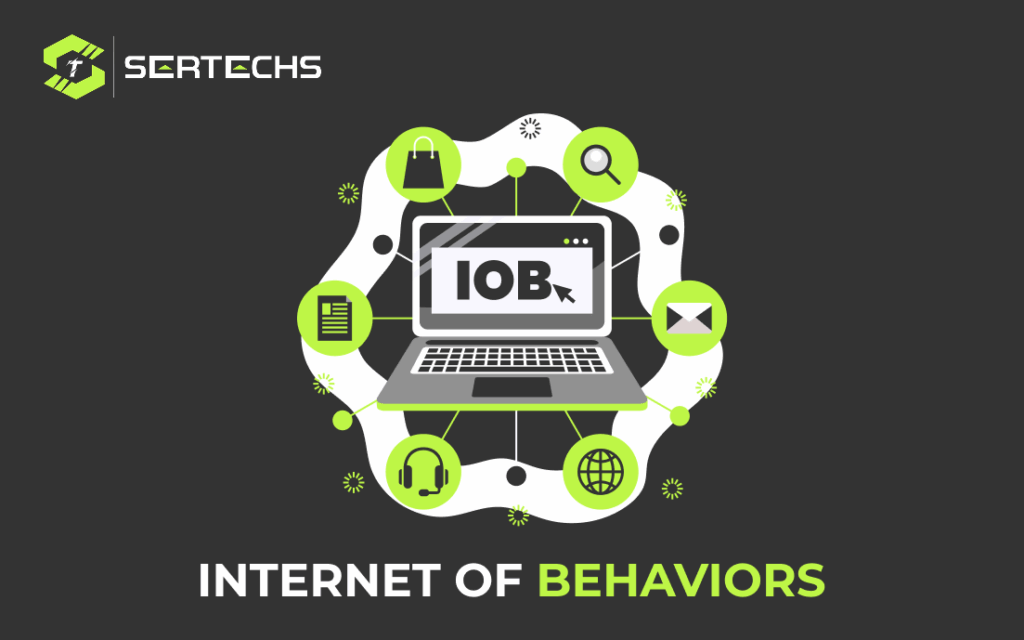
The Internet of Behaviors (IoB) is a concept that refers to the use of data from various sources to influence and modify human behavior. It is closely related to the broader concept of the Internet of Things (IoT), where devices are connected and share data to enable automation and smarter decision-making. In the case of IoB, the focus is specifically on the collection and analysis of data related to human behaviors. Key components of the Internet of Behaviors include: Data Collection: IoB relies on the collection of data from various sources, including smartphones, wearable devices, social media, and other digital platforms. This data can include information about individuals’ habits, preferences, locations, and interactions. Data Analysis: Advanced analytics and machine learning techniques are employed to analyze the collected data. The goal is to extract meaningful insights into human behavior, identify patterns, and predict future behaviors. Behavioral Profiling: Through data analysis, individuals can be profiled based on their behaviors. This profiling can be used to create a more detailed and accurate understanding of a person’s preferences, habits, and tendencies. Personalization: The insights gained from IoB can be leveraged to personalize services, advertisements, and recommendations. By understanding individual behaviors, businesses and organizations can tailor their offerings to better meet the needs and preferences of their target audience. Influence and Intervention: IoB can be used to influence and modify behavior. For example, organizations may use targeted interventions, such as personalized recommendations, notifications, or incentives, to encourage certain behaviors or discourage undesirable ones. Applications of the Internet of Behaviors can be found in various domains, including healthcare, retail, transportation, and smart cities. For instance, in healthcare, IoB can help monitor and improve patient adherence to treatment plans. In retail, it can be used to enhance the shopping experience by offering personalized recommendations. In smart cities, IoB can contribute to better urban planning by understanding and optimizing the movement and behaviors of the population. While IoB offers potential benefits, it also raises concerns about privacy, security, and ethical considerations. The extensive collection and analysis of personal data raise questions about how that data is used, shared, and protected, requiring careful attention to privacy regulations and ethical guidelines.
Graph Data Science
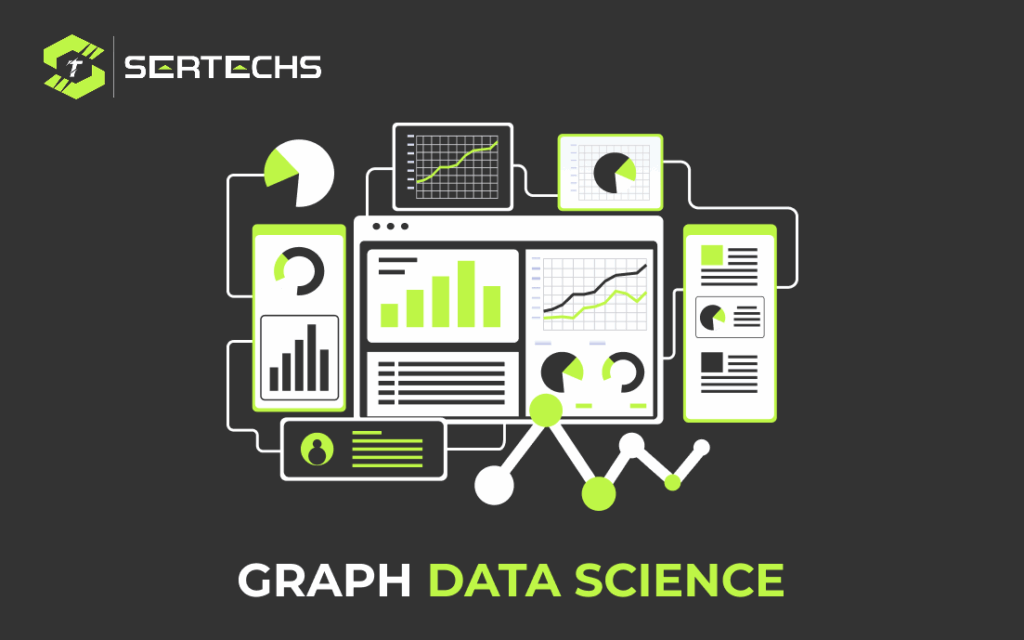
Graph Data Science (GDS) is a field that focuses on applying data science techniques to analyze and extract meaningful insights from graph-structured data. Graphs are mathematical structures that represent relationships between entities, and they are used to model and analyze complex systems of interconnected elements. GDS has applications in various domains, including social network analysis, fraud detection, recommendation systems, and bioinformatics. Here are some key aspects of Graph Data Science: Graph Representation: In GDS, data is often represented as a graph, where nodes represent entities, and edges represent relationships between these entities. This representation is powerful for capturing and analyzing complex relationships in data. Graph Algorithms: GDS involves the application of specialized algorithms designed for graph analysis. These algorithms can uncover patterns, detect anomalies, find clusters, and provide valuable insights into the structure and dynamics of the underlying data. Cypher Query Language: Cypher is a query language specifically designed for querying graph databases like Neo4j. GDS often involves writing queries in Cypher to retrieve and analyze data stored in graph databases. Community Detection: GDS can identify communities or groups of tightly connected nodes within a graph. This is useful in social network analysis, where communities may represent groups of individuals with similar interests or affiliations. Centrality Measures: Centrality measures help identify the most important nodes in a graph. Nodes with high centrality may play crucial roles in the network, and their analysis can provide insights into the overall structure of the system. Graph Embeddings: Graph embedding techniques map nodes or entire subgraphs into vector spaces, preserving structural information. This is useful for applying machine learning models to graph data, as traditional machine learning algorithms often require vectorized input. Link Prediction: GDS can be used to predict missing or future connections in a graph. This is valuable in scenarios such as recommendation systems, where predicting potential relationships between users and items is crucial. Graph Analytics Platforms: Various platforms and tools, such as Neo4j, Amazon Neptune, and Apache Giraph, provide capabilities for storing and analyzing graph data. These platforms often support the execution of graph algorithms and queries to extract meaningful information. Applications in Various Domains: GDS finds applications in diverse domains, including social media analysis, financial fraud detection, supply chain optimization, drug discovery, and network security. Graph Data Science is an evolving field, and as the volume of interconnected data continues to grow, the importance of understanding and analyzing these complex relationships becomes increasingly critical for making informed decisions in various domains.
Quantum Cryptography

Quantum cryptography, also known as quantum key distribution (QKD), is a field of cryptography that uses principles from quantum mechanics to secure communication. It leverages the fundamental properties of quantum physics to provide a level of security that is theoretically unbreakable, even in the face of advanced computing techniques. The key idea behind quantum cryptography is to use the quantum properties of particles, such as photons, to exchange cryptographic keys in a way that makes eavesdropping nearly impossible. Here are some key concepts and principles of quantum cryptography: Quantum Key Distribution (QKD): QKD is the core technology in quantum cryptography. It allows two parties, typically called Alice and Bob, to securely exchange cryptographic keys. The security of QKD is based on the principles of quantum mechanics, including Heisenberg’s uncertainty principle, the no-cloning theorem, and the properties of entangled particles. Uncertainty Principle: Heisenberg’s uncertainty principle states that certain pairs of physical properties, such as position and momentum, cannot be precisely measured simultaneously. In the context of quantum cryptography, this means that if an eavesdropper, usually referred to as Eve, tries to intercept the quantum signals being sent, her measurements will introduce errors that can be detected. No-Cloning Theorem: The no-cloning theorem states that it is impossible to create an exact copy of an arbitrary unknown quantum state. This property is crucial for the security of QKD because it prevents an eavesdropper from making a perfect copy of the quantum key. Quantum Entanglement: Quantum entanglement is a phenomenon where the quantum states of two or more particles become correlated in such a way that the state of one particle is dependent on the state of another, even when they are separated by large distances. Entangled particles are often used in QKD to detect eavesdropping attempts because any measurement on one of the entangled particles will immediately affect the other. Photon-Based QKD: One common implementation of QKD involves using individual photons (particles of light) to transmit quantum information. Alice sends a stream of single photons, each in one of two possible states (e.g., horizontal or vertical polarization), to Bob. Bob measures the polarization of these photons to generate a shared cryptographic key. The key is then used for secure communication. Security Proofs: QKD protocols are accompanied by mathematical proofs that demonstrate the security of the key exchange process under certain assumptions. These proofs show that any eavesdropping attempt will introduce errors that can be detected by Alice and Bob. While quantum cryptography offers theoretically unbreakable security, practical implementations still face various challenges, including the need for specialized hardware, sensitivity to environmental conditions, and limited transmission distances. Nevertheless, it represents a promising approach to securing sensitive communications in the future, particularly as quantum technology continues to advance.
Human Augmentation
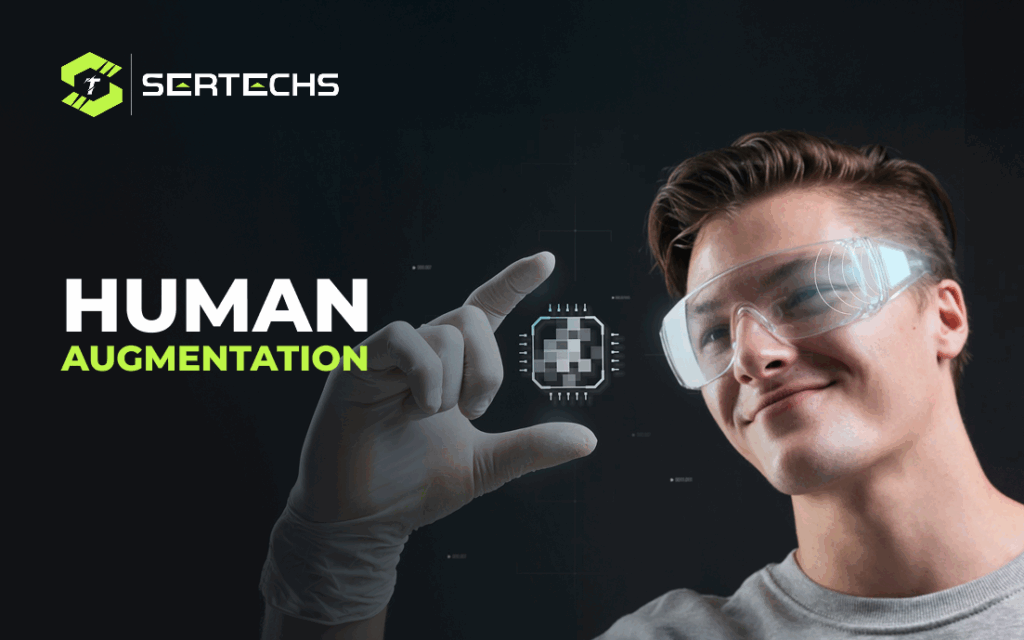
Human augmentation refers to the use of technology and other methods to enhance or improve the physical or cognitive capabilities of the human body beyond its natural limits. It can take various forms and is often used to enhance performance, treat medical conditions, or simply improve the overall quality of life. Here are some common areas of human augmentation: Medical Augmentation: This includes prosthetic limbs, cochlear implants for hearing-impaired individuals, and artificial organs like pacemakers and artificial hearts. These technologies are used to restore or enhance bodily functions in individuals with disabilities or medical conditions. Cognitive Enhancement: Cognitive augmentation aims to improve mental faculties such as memory, attention, and problem-solving. This can be achieved through pharmaceuticals (nootropics), brain-computer interfaces (BCIs), or neurostimulation techniques. Physical Enhancement: This category includes exoskeletons, wearable technology, and biometric sensors that can enhance physical strength, endurance, and overall performance. These are often used in military and industrial applications. Augmented Reality and Virtual Reality : AR and VR technologies can augment human perception by overlaying digital information onto the real world (AR) or immersing individuals in a simulated environment (VR). They are used in various industries, including gaming, education, healthcare, and training. Biotechnology: Advances in genetic engineering and biotechnology allow for the modification of human genes to treat genetic diseases or enhance desired traits. This is a highly controversial and ethically complex area, often referred to as “genetic augmentation.” Wearable Technology: Devices like smartwatches, fitness trackers, and augmented reality glasses can provide real-time data and information to users, augmenting their daily experiences and abilities. Bionics: Bionics involves the integration of biological and artificial components to create hybrid systems. This can include bionic limbs, organs, or sensory enhancements. Cybernetics: Cybernetics is the study of systems, control, and communication in animals and machines. In the context of human augmentation, it can involve the fusion of biological and artificial systems to improve overall functionality. Biohacking: Some individuals and communities engage in DIY or underground experimentation with various technologies, supplements, and implants to augment their bodies and capabilities. These practices can range from the use of RFID implants for convenience to more extreme modifications. Human augmentation holds significant promise in various fields, but it also raises important ethical, social, and regulatory considerations. Balancing the potential benefits with potential risks and concerns about equity and access is an ongoing challenge for policymakers and society as a whole.
Super App
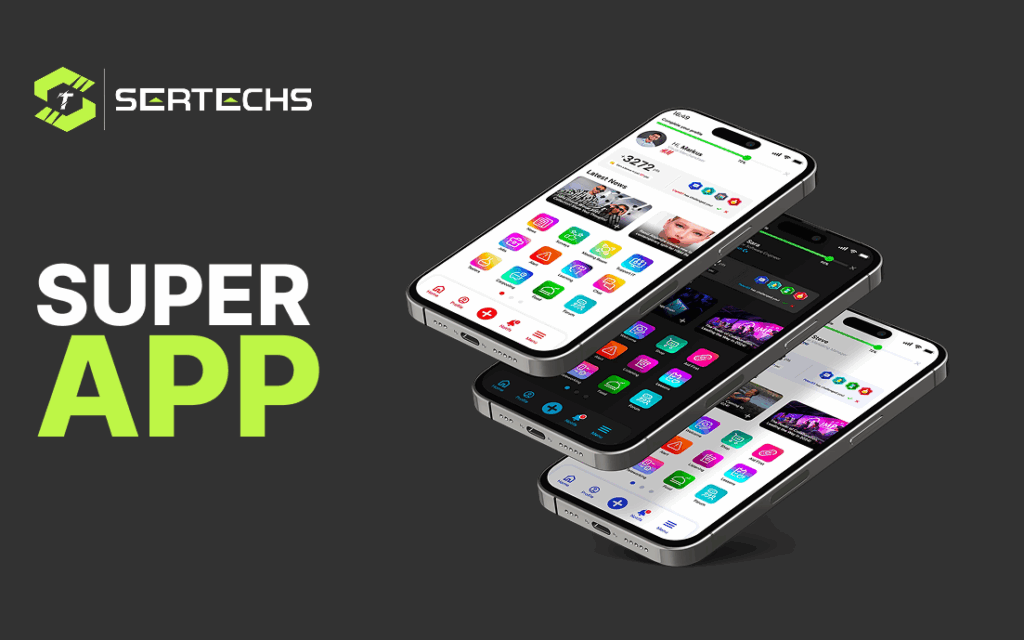
A super app is a mobile application that offers a wide range of services and features beyond its core functionality, effectively acting as a one-stop destination for various activities and needs. These apps aim to provide users with a seamless and integrated experience by combining multiple services within a single platform. Super apps have gained popularity in recent years, particularly in Asia, and they often encompass services such as: Messaging and Social Networking: Super apps often include chat and messaging functions, allowing users to communicate with friends and family. These apps may also integrate social networking features. E-commerce and Shopping: Users can shop for a wide range of products and services, from groceries and clothing to electronics and more. Payment and delivery options are typically integrated. Ride-Hailing and Transportation: Super app includes ride-hailing services for taxis, motorcycles, or even carpooling. They may also provide information on public transportation. Payment and Digital Wallets: Digital wallets are often integrated, allowing users to make payments, transfer money, and manage their finances. Food Delivery and Ordering: Ordering food from restaurants and having it delivered to your location is a common feature of super apps. Entertainment and Content: These apps may offer streaming services for music, movies, TV shows, and other forms of entertainment. Travel and Booking: Users can book flights, hotels, and other travel-related services within the app. It may also provide information on local attractions and activities. Utility and Lifestyle Services: Super apps often include utilities like weather forecasts, news, and health and fitness features. They may also offer services related to booking appointments, home services, and more. Financial Services: Beyond digital wallets, some super apps offer more comprehensive financial services, such as loans, insurance, and investment options. Notable examples of super apps include WeChat in China, which offers a wide range of features, and Gojek in Southeast Asia, which provides services like ride-hailing, food delivery, and payments. Super apps aim to create a digital ecosystem that keeps users engaged and meets their daily needs, making them central to many aspects of their lives. The concept of super apps reflects the trend toward digital integration, convenience, and the idea of consolidating multiple services into a single platform to streamline users’ interactions and experiences.
Smarter Devices
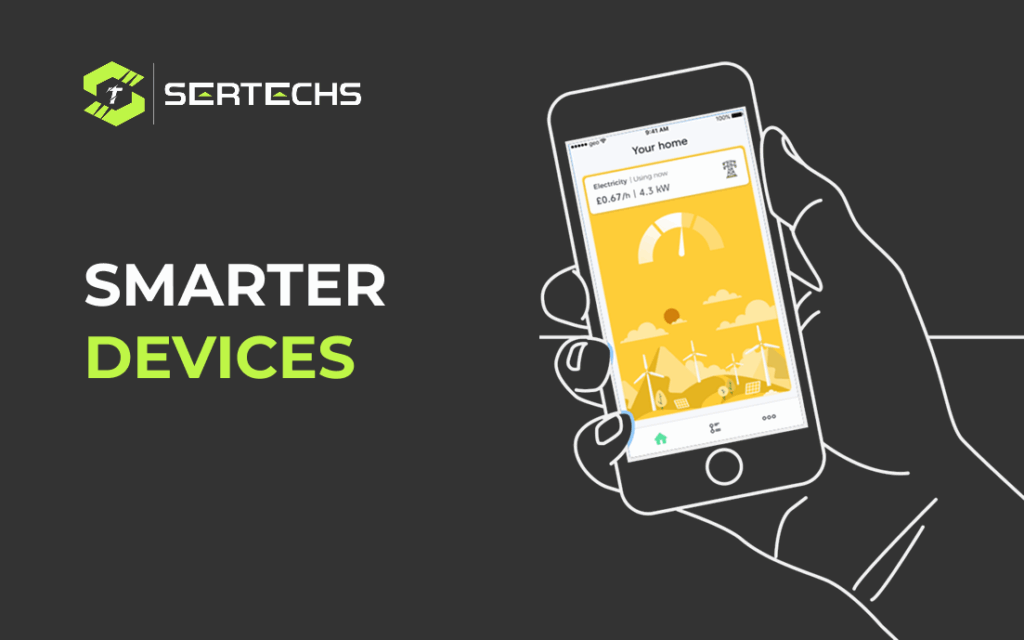
Smarter devices refers to electronic and connected devices that have advanced capabilities, often leveraging technologies such as AI and IoT. The cloud computing to enhance their functionality, intelligence, and interaction with users. Characteristics and examples of smarter devices: Connectivity: Smarter devices are typically connected to the internet, allowing them to communicate with other devices and services. This connectivity can be wireless or wired. Sensors: Many smarter devices are equipped with sensors that can collect data about their environment or usage. These sensors enable the device to make informed decisions or provide useful information to users. Data Processing: These devices often have onboard processing capabilities or access to cloud-based processing to analyze data and make decisions. This can involve machine learning algorithms and artificial intelligence to improve their functionality over time. Automation: Smarter devices can perform tasks autonomously or based on predefined rules, reducing the need for direct human intervention. For example, smart thermostats can adjust the temperature based on occupancy and user preferences. User Interaction: They often provide user-friendly interfaces for controlling and monitoring their functions. This can include mobile apps, touchscreens, or remote controls. Adaptability: These devices can adapt and learn from user behavior. For example, smart home lighting systems can adjust brightness and color temperature based on the time and user preferences. Examples of smarter devices: Smartphones: Modern smartphones are equipped with various sensors, can connect to the internet, and offer a wide range of applications that make them versatile and adaptable to users’ needs. Smart Speakers: Devices like Amazon Echo and Google Home are equipped with voice assistants and can control other smart home devices, answer questions, and provide entertainment. Smart Home Devices: These include smart thermostats, lighting systems, security cameras, and door locks that can be controlled remotely and adapt to user preferences. Wearable Technology: Smartwatches and fitness trackers collect health data, monitor physical activity, and provide notifications. Connected Cars: Modern vehicles have integrated GPS, entertainment systems, and can connect to the internet for real-time traffic updates and diagnostics. Smart Appliances: Appliances like refrigerators, ovens, and washing machines can communicate with users, offer energy-saving options, and even order groceries automatically. Industrial IoT Devices: In industrial settings, sensors and connected devices can monitor equipment performance, and improve operational efficiency. Medical Devices: Some medical devices, like pacemakers and insulin pumps, are becoming smarter and can transmit data to healthcare providers. Robots and Drones: Autonomous robots and drones can perform tasks such as cleaning, delivery, and surveillance. The trend toward smarter devices is driven by advancements in technology, including miniaturization, improved connectivity. the growing accessibility of artificial intelligence and machine learning. These devices have the potential to enhance convenience, safety, and efficiency in various aspects of our lives.