
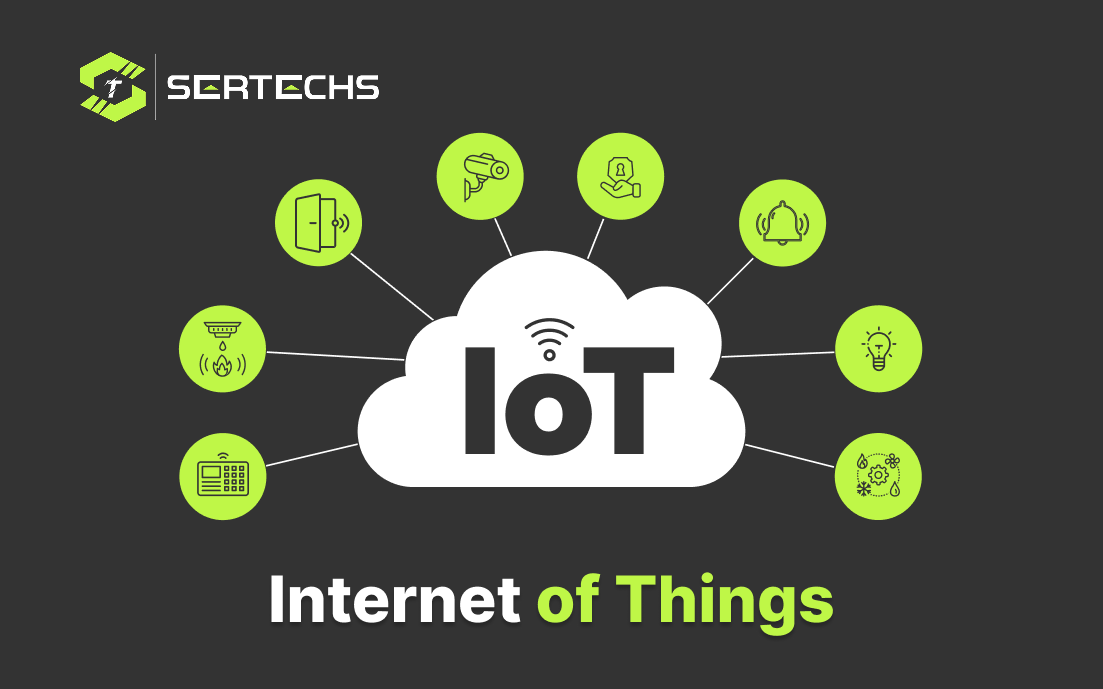
The Internet of Things (IoT) refers to a network of interconnected devices and systems that communicate and share data over the internet. These devices, often embedded with sensors, actuators, and connectivity capabilities, can collect, transmit, and receive data, enabling them to interact with their environment and other connected devices.
Here are key aspects of IoT:
Interconnected Devices:
IoT encompasses a vast array of devices, including sensors, appliances, vehicles, wearables, industrial machines, and more. These devices can communicate with each other and with centralized systems.
Sensors and Data Collection:
IoT devices are equipped with sensors that collect various types of data such as temperature, humidity, light, motion, location, and more. This data is then transmitted for analysis and actionable insights.
Connectivity:
IoT devices use different communication protocols (e.g., Wi-Fi, Bluetooth, Zigbee, LoRa, cellular) to connect to the internet and share data. The choice of connectivity depends on the specific use case and requirements.
Data Processing and Analytics:
The data collected by IoT devices is processed and analyzed to extract meaningful insights. Advanced analytics, machine learning, and AI algorithms are often employed to derive actionable intelligence from the vast amounts of IoT-generated data.
Automation and Control:
IoT allows for automation and remote control of devices based on data analysis and predefined rules. For instance, smart thermostats can adjust heating or cooling based on occupancy and temperature patterns.
Integration with Applications:
IoT data and insights can be integrated into various applications, such as mobile apps or web interfaces, providing real-time monitoring, alerts, and control to users.
Security and Privacy:
IoT security is a critical concern. Measures are taken to ensure the confidentiality, integrity, and availability of data. Security protocols and encryption are utilized to protect IoT devices and data from unauthorized access and cyber threats.
Industry Applications:
IoT has diverse applications across industries, including smart homes, healthcare (remote patient monitoring), agriculture (precision farming), transportation (smart cars), manufacturing (Industry 4.0), energy management, retail (inventory tracking), and more.
Scalability and Flexibility:
IoT solutions need to be scalable to accommodate a growing number of connected devices. Flexible architectures and cloud-based platforms are often used to handle large-scale IoT deployments.
Environmental Impact:
IoT can contribute to sustainability efforts by optimizing resource usage, reducing energy consumption, and minimizing waste through smarter systems and decision-making.