
Software Development Life Cycle (SDLC)
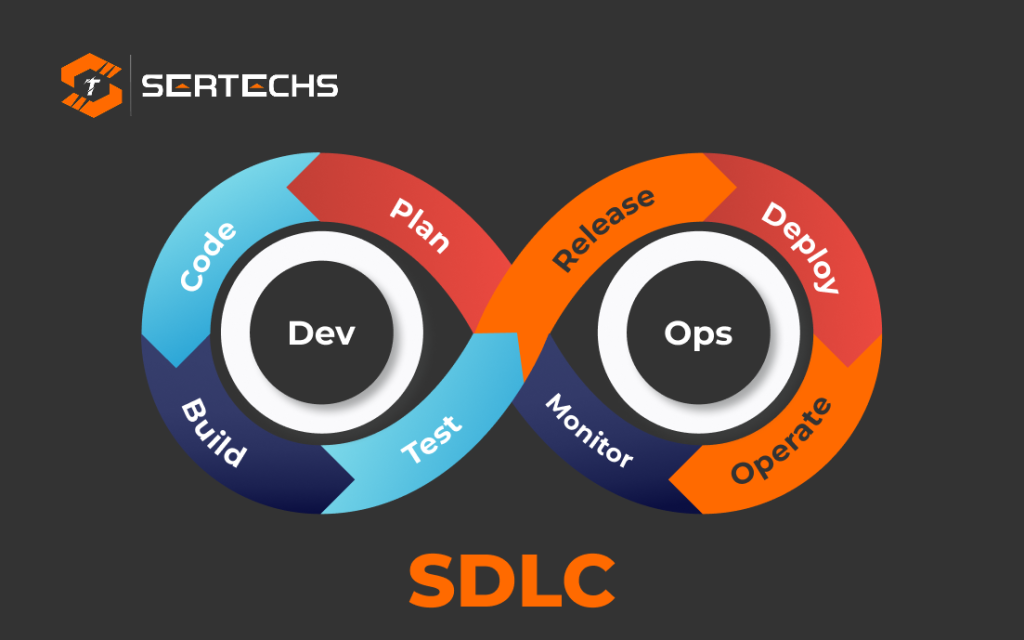
The Software Development Life Cycle (SDLC) is a systematic process for planning, creating, testing, deploying, and maintaining software. It provides a structured framework for developers and project managers to follow, ensuring that the software is developed efficiently and meets the desired quality standards. The SDLC typically consists of several phases, each with its own set of activities, deliverables, and goals. While there are various models, a commonly used one includes the following stages: Requirements Gathering and Analysis: Objective: Understand and document the software requirements. Activities: Gather information from stakeholders, analyze requirements, and create a detailed specification document. Deliverables: Requirements specification document. Planning: Objective: Plan the project, define scope, estimate resources, and create a project schedule. Activities: Develop a project plan, identify tasks, allocate resources, and set timelines. Deliverables: Project plan, resource allocation, and schedule documents. Design: Objective: Create a blueprint for the software based on the requirements. Activities: System architecture design, detailed technical specifications, and user interface design. Deliverables: System architecture diagrams, design documents, and prototypes. Implementation (Coding): Objective: Translate the design into actual code. Activities: Write code according to the design specifications, perform unit testing, and resolve issues. Deliverables: Executable code. Testing: Objective: Verify that the software meets the specified requirements and functions correctly. Activities: Conduct various testing types such as unit testing, integration testing, system testing, and acceptance testing. Deliverables: Test cases, test scripts, and defect reports. Deployment: Objective: Release the software to end-users or clients. Activities: Prepare for deployment, conduct user training, and ensure a smooth transition to production. Deliverables: Deployed software, user manuals, and training materials. Maintenance and Support: Objective: Address issues, update the software, and provide ongoing support. Activities: Fix bugs, implement updates, and provide user support. Deliverables: Updated software versions, maintenance documentation. It’s important to note that the Software Development Life Cycle is not always a linear process, and iterative models like Agile SDLC introduce cycles of planning, development, and testing in shorter iterations. Different organizations may adopt variations of the SDLC based on their specific needs and the nature of the project. The goal is to create a structured and repeatable process that leads to the successful development of high-quality software.
JavaScript
JavaScript is a versatile programming language primarily used for creating dynamic content on webpages. Developed by Netscape as “LiveScript” in the mid-1990s, it was later renamed JavaScript. Despite the similar name, JavaScript has no direct relation to the Java programming language; they are different languages with distinct syntax and purposes. Here are some key aspects of JS: Client-Side Scripting: JavaScript is primarily employed as a client-side scripting language, running in a user’s web browser. It allows web developers to create interactive and dynamic elements within web pages. High-Level, Interpreted Language: JS is a high-level language, meaning its syntax is closer to human language and is relatively easy to read and write. It’s also an interpreted language, executed line-by-line without needing a compilation step. Event-Driven and Asynchronous: It is event-driven, meaning it responds to events such as user actions (clicks, inputs, etc.) or system-generated events. It’s asynchronous, allowing for non-blocking execution, crucial for handling tasks like fetching data from servers without stopping other operations. Used in Web Development: JavaScript is a fundamental part of modern web development. It is used to manipulate and modify HTML and CSS, create animations, handle user interactions, build web applications (including single-page applications), and much more. Supports Various Paradigms: It supports multiple programming paradigms, including procedural, object-oriented, and functional programming styles. This flexibility allows developers to choose the approach that best fits their project. Extensive Ecosystem: JS has a vast ecosystem with numerous libraries and frameworks like React, Angular, Vue.js, and Node.js, which extend its capabilities for various purposes, including front-end and back-end development. Cross-platform Language: It isn’t limited to web browsers anymore. With the help of runtimes like Node.js, developers can use JavaScript for server-side scripting, enabling them to build full-stack applications entirely in JavaScript. JavaScript is a fundamental technology for web development, playing a crucial role in creating modern, interactive, and responsive web applications. Its continual evolution and widespread adoption have made it an essential skill for developers.
Theme development
Theme development refers to the process of creating a design template or framework that determines the overall look, feel, and functionality of a website, blog, or application. Themes are a collection of files that control the visual presentation and layout of a website or platform. They typically include HTML, CSS, JavaScript, and sometimes PHP or other programming languages. Here are the key aspects and steps involved in theme development: Planning and Conceptualization: Understand the purpose, target audience, and goals of the website or application. Create a plan and outline the design elements and features you want to incorporate. Design Mockups or Wireframes: Develop a visual representation of the layout, structure, and user interface elements using tools like Adobe XD, Sketch, or Figma. This helps to visualize the appearance and arrangement of content before coding. HTML Structure: Create the basic structure of the theme using HTML. This includes defining the different sections, such as header, footer, sidebar, content area, etc. CSS Styling: Style the HTML elements using CSS to define colors, typography, spacing, layout, responsiveness, and overall visual aesthetics. CSS preprocessors like Sass or LESS can be used to streamline the styling process. JavaScript Integration: Add interactivity and functionality using JavaScript. This may involve implementing animations, sliders, dropdowns, form validations, or other dynamic elements. Responsive Design: Ensure that the theme is responsive and looks good on various devices and screen sizes, such as desktops, laptops, tablets, and mobile phones. Accessibility and SEO: Optimize the theme for accessibility by following best practices for web accessibility standards. Additionally, implement SEO-friendly elements like meta tags, structured data, and semantic HTML to improve search engine visibility. Testing and Debugging: Thoroughly test the theme across different browsers and devices to identify and fix any compatibility issues, bugs, or usability problems. Deployment and Distribution: Once the theme is finalized and tested, package it for distribution. This can involve uploading it to platforms like WordPress, Shopify, or other content management systems for users to install and use. Remember, theme development requires attention to detail, creativity, and a good understanding of design principles, front-end development languages, and user experience (UX) considerations to create a visually appealing and functional theme.
Plugin Development
Plugin development typically refers to creating additional software components or extensions that can be added to an existing software application to enhance its functionality or add new features. Plugins are commonly used in various types of software, including content management systems (like WordPress), web browsers, audio/video editing software, and more. Here are some key aspects and steps involved in plugin development: Understanding the Host Application: Before starting plugin development, it’s crucial to understand the host application where the plugin will be integrated. Know the architecture, APIs, and capabilities of the host application. Identify the Purpose and Scope: Define the purpose of your plugin and what functionality it will add or modify within the host application. Determine the specific features or modifications you aim to achieve. Choose a Development Environment: Select the appropriate tools, programming languages, and frameworks based on the requirements of the host application. For example, if you’re creating a WordPress plugin, you might use PHP, JavaScript, and WordPress-specific APIs. Development Process: Create the plugin’s structure: Define files, directories, and necessary components. Code the functionality: Implement the features as per your defined scope. Test thoroughly: Ensure the plugin works as intended, checking for bugs, errors, and compatibility issues. APIs and Hooks Integration: Many host applications provide APIs, hooks, or extension points that allow developers to integrate their plugins seamlessly. Understand these integration points and utilize them effectively to interact with the host application. User Interface (UI) and User Experience (UX): If the plugin requires a user interface, design it in a way that aligns with the host application’s design patterns and offers a smooth user experience. Documentation and Support: Provide clear documentation explaining the plugin’s installation process, configuration options, and usage instructions. Additionally, offer support channels for users who may have questions or encounter issues. Security and Performance: Ensure the plugin follows best practices for security to prevent vulnerabilities. Optimize code for performance to minimize any negative impact on the host application’s performance. Testing and Quality Assurance: Test the plugin thoroughly across different environments and scenarios to ensure it works reliably and doesn’t conflict with other plugins or the host application itself. Deployment and Distribution: Prepare the plugin for distribution through appropriate channels (e.g., an official marketplace, website, or repository) and follow guidelines for submission and approval if applicable. Remember that the process may vary depending on the host application and the complexity of the plugin being developed. Good documentation, clean code, adherence to best practices, and user-centric design are crucial aspects of successful plugin development.
Capacity Development

Capacity development refers to the process of enhancing an individual’s, organization’s, or community’s ability to perform effectively and sustainably. It involves the acquisition or strengthening of knowledge, skills, attitudes, systems, and resources necessary for achieving specific goals or objectives. This concept is often applied in various fields, including: Organizational Capacity Development: Focused on improving the capabilities of an organization, such as its management, human resources, financial systems, and infrastructure. Individual Capacity Development: Concentrates on enhancing the skills, knowledge, and capabilities of individuals through training, education, mentoring, and coaching. Community Capacity Development: Aims to empower communities by building their ability to identify and address their own needs and challenges, often involving participatory approaches and community-led initiatives. National Capacity Development: Refers to the strengthening of a country’s institutions, policies, and systems to foster sustainable development, often through technical assistance, policy reforms, and institutional strengthening. Assessment: Identifying strengths, weaknesses, needs, and gaps in knowledge, skills, resources, and systems. Planning: Developing strategies and action plans to address the identified gaps and build necessary capacities. Implementation: Executing the plans through training, education, skill-building activities, institutional reforms, and resource allocation. Monitoring and Evaluation: Assessing progress, measuring the effectiveness of capacity-building efforts, and making adjustments as needed. This development is crucial for sustainable development, as it enables individuals, organizations, and communities to adapt to changing circumstances, innovate, and effectively address challenges and opportunities. These efforts might include training programs, skill-building workshops, mentoring, coaching, access to resources, infrastructure development, policy reforms, and more. The goal is to empower individuals or groups to become more self-reliant, resilient, and capable of addressing challenges and seizing opportunities. It can involve enhancing leadership skills, fostering innovation, improving communication, and ensuring access to necessary tools and technology. Various stakeholders, including governments, NGOs, international organizations, and private sectors, play roles in facilitating and supporting capacity development initiatives across different levels, aiming for long-term, sustainable growth and development.