
IT Offshoring
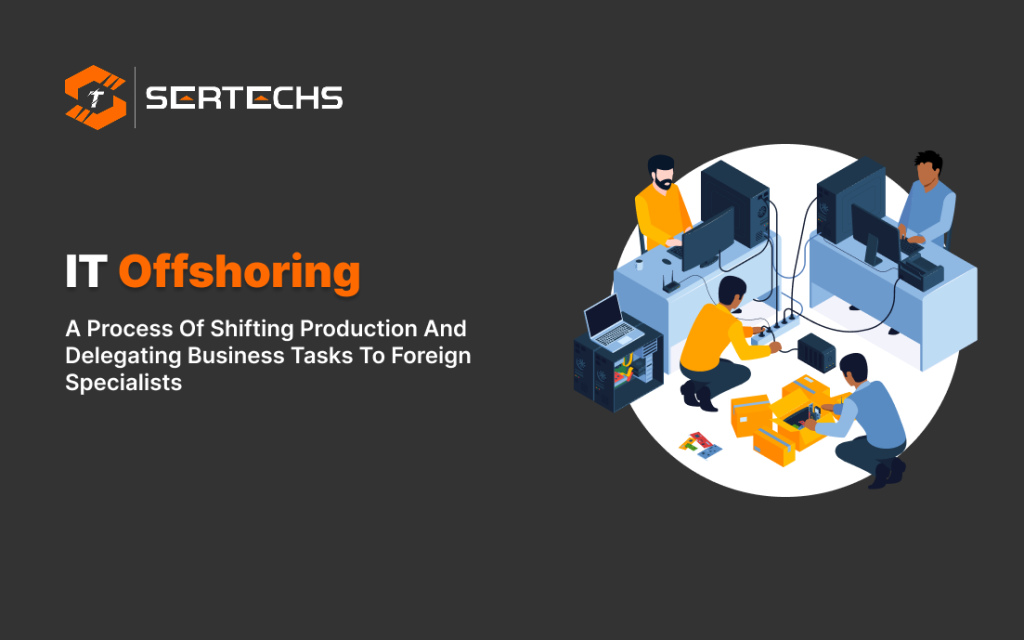
Offshoring in IT refers to the practice of a company hiring a third-party service provider or setting up its operations in a different country to perform IT-related tasks, services, or development work. This practice is primarily done to leverage cost advantages, access a larger talent pool, or benefit from different time zones. Here are some key aspects of IT offshoring: Cost Efficiency: Offshoring IT services to countries with lower labor costs can significantly reduce operational expenses for companies, as labor, infrastructure, and other overheads may be cheaper abroad. Access to Global Talent: It enables access to a broader talent pool. Companies can tap into skilled professionals in different parts of the world. That allowing them to find specialized expertise that might not be available locally. Round-the-Clock Operations: Time zone differences can be advantageous, allowing companies to operate continuously. They having teams in different parts of the world working on the same projects in different shifts. Scalability and Flexibility: Offshoring offers scalability options, allowing companies to quickly scale up or down their operations based on project requirements without the need for significant infrastructure changes. Challenges: It also presents challenges such as language barriers, cultural differences, communication issues, data security concerns. The need for effective management across geographically dispersed teams. Access to Skilled Talent: Offshoring allows access to a diverse and often larger pool of skilled professionals. This includes technical experts, programmers, developers, engineers, and other IT specialists who may possess niche skills that are in high demand. Types of Offshoring: It can take various forms, including captive offshoring (subsidiary in another country), outsourcing (third-party vendor), or a
Digital Twins
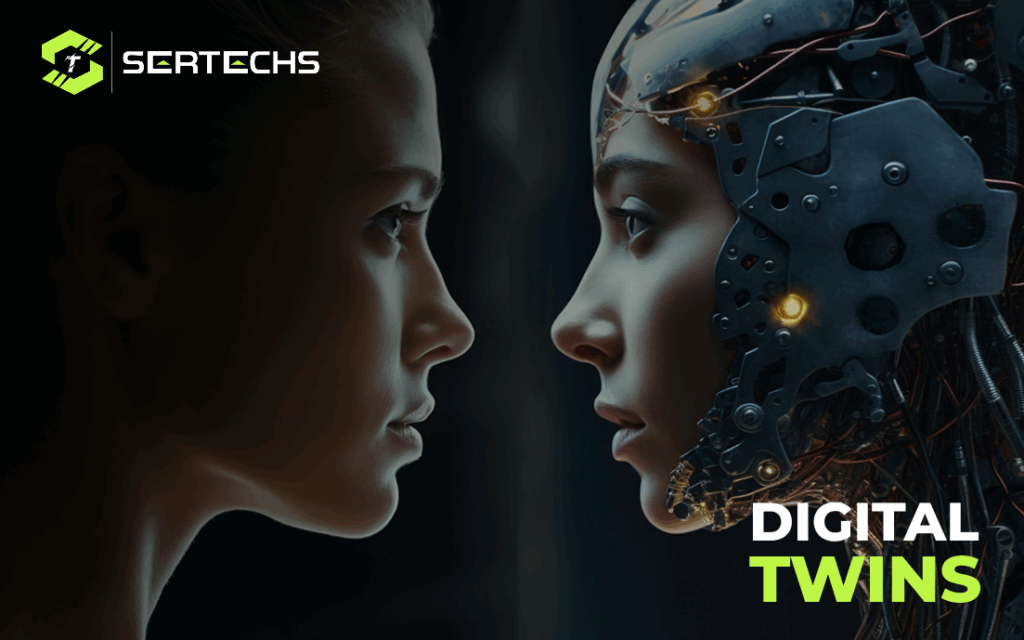
Digital twins are virtual representations of physical objects, systems, or processes that use real-time data and simulation to mirror their real-world counterparts. The concept of digital twins has gained popularity in various industries, including manufacturing, healthcare, urban planning, and more. Due to its potential to improve efficiency, performance, and decision-making. Key points to understand about digital twins: A digital twin is a digital replica of a physical entity, which can be an individual object, a system, or even an entire ecosystem. It’s created by collecting and integrating data from sensors, devices, and other sources in real-time. Components: Physical Entity: This is the real-world object or system that the digital twin represents. Virtual Model: The digital twin’s virtual representation, which includes 3D models and simulations. Data and Connectivity: Real-time data streams from the physical entity to update the virtual model, often collected through sensors and IoT devices. Types of Digital Twins: Product Twins: These represent physical products, such as manufacturing equipment, consumer goods, or vehicles, to monitor their performance and facilitate maintenance. Process Twins: These mimic manufacturing processes or supply chains, enabling optimization, troubleshooting, and risk assessment. System Twins: These replicate larger systems like smart cities or complex infrastructure, helping urban planners and decision-makers model and manage cities. Applications: Manufacturing: They are used to monitor and optimize manufacturing processes, predict equipment maintenance needs, and simulate product designs and production lines. Healthcare: It can help healthcare providers tailor treatments and therapies, while digital twins of medical devices can improve maintenance and efficiency. Smart Cities: Urban planners use digital twins to model and optimize city infrastructure, traffic flow, and energy consumption. Aerospace and Automotive: They are used for design, testing, and predictive maintenance of aircraft and vehicles. Energy and Utilities: It help optimize power grids, water supply systems, and renewable energy installations. Benefits: Improved Efficiency: Its enable real-time monitoring and data-driven decision-making, leading to more efficient operations. Predictive Maintenance: They help predict and prevent equipment failures, reducing downtime and maintenance costs. Innovation and Design: Digital twins aid in product and process innovation by simulating different scenarios and designs. Cost Reduction: By optimizing processes and reducing downtime, organizations can save on operational costs. Challenges: Data Integration: Gathering and integrating real-time data can be complex and costly. Complexity: Creating and maintaining digital twins can be technically challenging.