
Software as a Service
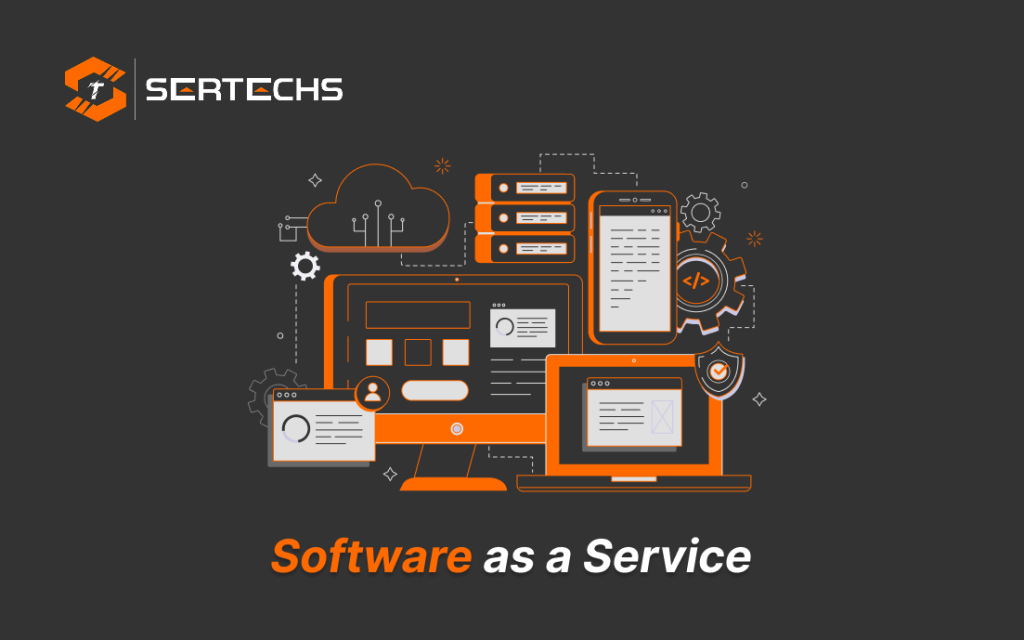
Software as a Service (SaaS) is a software distribution model where applications are hosted by a third-party provider and made available to customers over the internet. In this model, users can access the software and its features through a web browser, eliminating the need for users to install, maintain, and update the software on their individual devices. Key characteristics of Software as a Service include: Subscription-based pricing: Instead of purchasing a software license, users typically pay a recurring subscription fee to access the SaaS application. This can be monthly, annually, or based on some other billing cycle. Accessibility: SaaS applications are usually accessible from any device with an internet connection and a web browser. This allows users to access the software from different locations and devices without the need for specific installations. Automatic updates: SaaS providers handle software maintenance, updates, and patches. This ensures that users always have access to the latest features and security updates without having to manually install updates. Scalability: SaaS applications often provide scalable solutions, allowing users to easily adjust their subscription plans based on their changing needs, such as the number of users or the level of service required. Multi-tenancy: SaaS applications are designed to serve multiple customers (tenants) on a shared infrastructure. This allows providers to achieve economies of scale and offer cost-effective solutions to a broad user base. Centralized data: Data generated and used within the SaaS application is typically stored in a centralized data center managed by the service provider. This centralization simplifies data management and backup processes. Collaboration features: Many SaaS applications are designed to facilitate collaboration among users. Features such as real-time editing, file sharing, and communication tools are often integrated into the software. Common examples of SaaS applications include customer relationship management (CRM) tools, enterprise resource planning (ERP) systems, office software suites, project management tools, and communication and collaboration platforms. The SaaS model has gained popularity due to its flexibility, cost-effectiveness, and the ability to streamline software deployment and maintenance for both providers and users.
Software Development Life Cycle (SDLC)
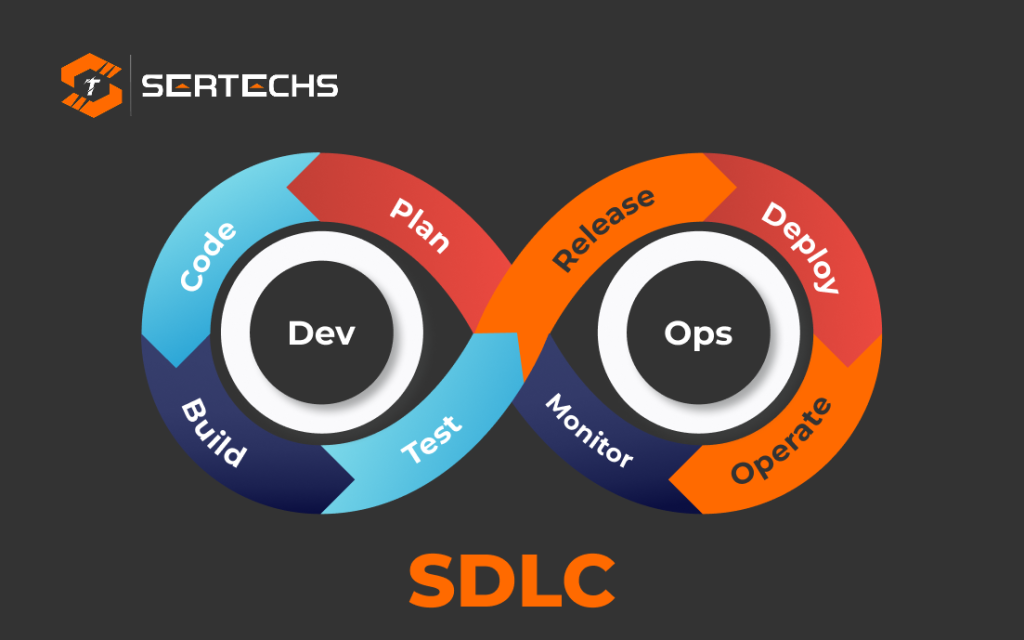
The Software Development Life Cycle (SDLC) is a systematic process for planning, creating, testing, deploying, and maintaining software. It provides a structured framework for developers and project managers to follow, ensuring that the software is developed efficiently and meets the desired quality standards. The SDLC typically consists of several phases, each with its own set of activities, deliverables, and goals. While there are various models, a commonly used one includes the following stages: Requirements Gathering and Analysis: Objective: Understand and document the software requirements. Activities: Gather information from stakeholders, analyze requirements, and create a detailed specification document. Deliverables: Requirements specification document. Planning: Objective: Plan the project, define scope, estimate resources, and create a project schedule. Activities: Develop a project plan, identify tasks, allocate resources, and set timelines. Deliverables: Project plan, resource allocation, and schedule documents. Design: Objective: Create a blueprint for the software based on the requirements. Activities: System architecture design, detailed technical specifications, and user interface design. Deliverables: System architecture diagrams, design documents, and prototypes. Implementation (Coding): Objective: Translate the design into actual code. Activities: Write code according to the design specifications, perform unit testing, and resolve issues. Deliverables: Executable code. Testing: Objective: Verify that the software meets the specified requirements and functions correctly. Activities: Conduct various testing types such as unit testing, integration testing, system testing, and acceptance testing. Deliverables: Test cases, test scripts, and defect reports. Deployment: Objective: Release the software to end-users or clients. Activities: Prepare for deployment, conduct user training, and ensure a smooth transition to production. Deliverables: Deployed software, user manuals, and training materials. Maintenance and Support: Objective: Address issues, update the software, and provide ongoing support. Activities: Fix bugs, implement updates, and provide user support. Deliverables: Updated software versions, maintenance documentation. It’s important to note that the Software Development Life Cycle is not always a linear process, and iterative models like Agile SDLC introduce cycles of planning, development, and testing in shorter iterations. Different organizations may adopt variations of the SDLC based on their specific needs and the nature of the project. The goal is to create a structured and repeatable process that leads to the successful development of high-quality software.