
IT Offshoring
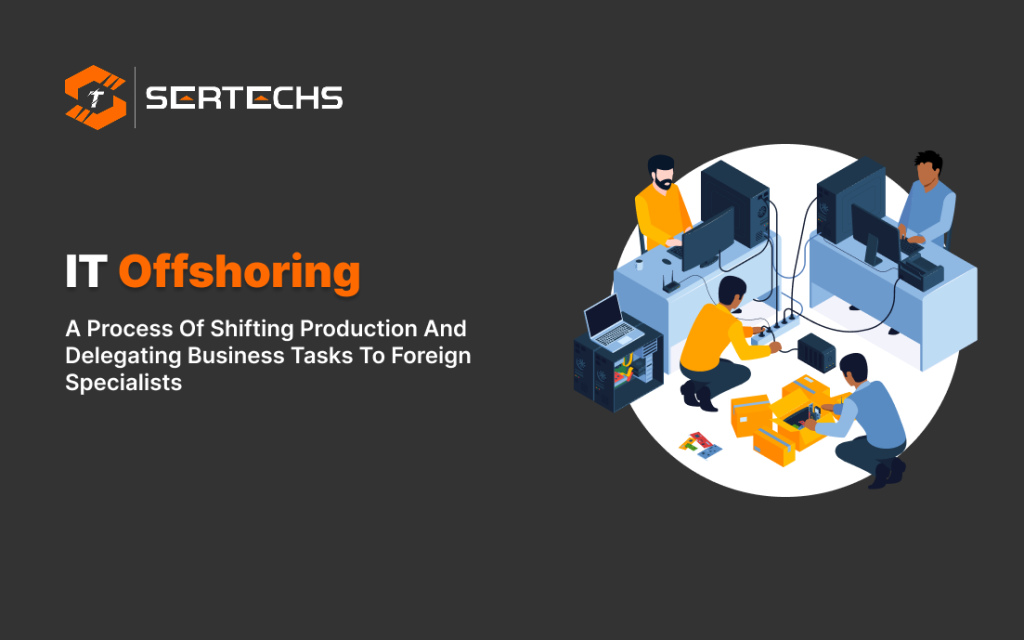
Offshoring in IT refers to the practice of a company hiring a third-party service provider or setting up its operations in a different country to perform IT-related tasks, services, or development work. This practice is primarily done to leverage cost advantages, access a larger talent pool, or benefit from different time zones. Here are some key aspects of IT offshoring: Cost Efficiency: Offshoring IT services to countries with lower labor costs can significantly reduce operational expenses for companies, as labor, infrastructure, and other overheads may be cheaper abroad. Access to Global Talent: It enables access to a broader talent pool. Companies can tap into skilled professionals in different parts of the world. That allowing them to find specialized expertise that might not be available locally. Round-the-Clock Operations: Time zone differences can be advantageous, allowing companies to operate continuously. They having teams in different parts of the world working on the same projects in different shifts. Scalability and Flexibility: Offshoring offers scalability options, allowing companies to quickly scale up or down their operations based on project requirements without the need for significant infrastructure changes. Challenges: It also presents challenges such as language barriers, cultural differences, communication issues, data security concerns. The need for effective management across geographically dispersed teams. Access to Skilled Talent: Offshoring allows access to a diverse and often larger pool of skilled professionals. This includes technical experts, programmers, developers, engineers, and other IT specialists who may possess niche skills that are in high demand. Types of Offshoring: It can take various forms, including captive offshoring (subsidiary in another country), outsourcing (third-party vendor), or a
RegTech
RegTech, short for Regulatory Technology, refers to the use of technology to help businesses comply with regulations efficiently and effectively. The primary goal of RegTech is to streamline regulatory processes, automate compliance tasks, and manage regulatory risk more efficiently using technological solutions. Regulatory compliance is a complex and critical aspect of operating in various industries, such as finance, healthcare, cybersecurity, and more. RegTech solutions leverage technologies like artificial intelligence (AI), machine learning (ML), big data analytics, blockchain, and cloud computing to address compliance challenges. Types of RegTech Solutions: Risk Management Solutions: These solutions use advanced analytics, AI, and machine learning algorithms to identify, assess, and mitigate risks associated with regulatory compliance. They help in evaluating risks related to financial transactions, market volatility, and regulatory changes. Compliance Monitoring and Reporting Tools: RegTech platforms assist in real-time monitoring of transactions and activities to detect anomalies and suspicious behavior. They also automate reporting processes, ensuring accurate and timely submissions of regulatory reports to relevant authorities. KYC and AML Solutions: These tools help in customer identity verification, due diligence, and screening processes to comply with Know Your Customer (KYC) and Anti-Money Laundering (AML) regulations. These solutions use data analytics and AI to identify potential risks associated with money laundering activities. Benefits of RegTech: Efficiency: RegTech solutions automate many compliance tasks, reducing the need for manual effort and enabling companies to handle regulatory requirements more efficiently. Cost Savings: By automating processes and reducing manual errors, it helps in cutting operational costs associated with compliance. Accuracy and Timeliness: Automated systems ensure accuracy and timeliness in compliance reporting and adherence to regulatory requirements, reducing the risk of penalties due to non-compliance. Challenges and Adoption: Integration Complexity: Integrating RegTech solutions into existing systems and workflows can be complex and require careful planning. Data Security Concerns: While RegTech solutions focus on data management and security, there might be concerns regarding the security of sensitive information handled by these systems. Regulatory Heterogeneity: Different regions and industries have varied regulatory frameworks, making it challenging for RegTech solutions to address all specific requirements. It continues to evolve, offering innovative solutions to help businesses navigate the complexities of regulatory compliance efficiently and effectively.