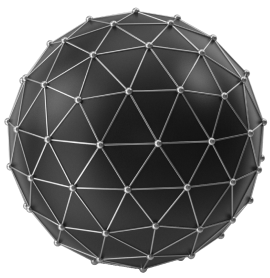


Web3 refers to a vision of the internet that involves decentralization, blockchain technology, and the concept of enabling a more user-centric internet . It represents a shift from the current centralized web (Web 2.0) to a more decentralized web infrastructure, where users have more control over their data, identity, and digital assets.
Blockchain Technology:
Decentralized Ledger: Blockchain is a distributed and decentralized ledger that records transactions across a network of computers in a secure and transparent manner. Each block in the chain contains a cryptographic hash of the previous block, creating a secure link between them.
Consensus Mechanisms: Various consensus mechanisms (Proof of Work, Proof of Stake, etc.) are used in blockchain networks to achieve agreement on the state of the ledger without the need for a central authority.
Smart Contracts: Self-executing contracts written in code that automatically enforce and execute the terms of an agreement when predefined conditions are met.
Decentralized Applications (dApps):
Built on Blockchain: Applications that operate on blockchain networks, utilizing their decentralized nature and smart contract functionality.
Examples: Decentralized finance (DeFi) platforms, decentralized social media networks, decentralized exchanges (DEX), gaming platforms, and more.
Cryptocurrencies and Tokens:
Digital Assets: Cryptocurrencies like Bitcoin and Ethereum serve as digital currencies within the Web3 ecosystem.
Tokens: Represent various assets, ownership rights, or utility within specific applications or ecosystems. They can be fungible (like ERC-20 tokens) or non-fungible (NFTs).
Decentralized Finance (DeFi):
Financial Services: DeFi refers to a set of financial services and applications built on blockchain that aim to provide alternatives to traditional finance, such as lending, borrowing, staking, yield farming, and decentralized exchanges.
Open and Permissionless: Anyone with internet access can participate in DeFi services without the need for intermediaries like banks.
Interoperability:
Cross-chain Communication: Efforts to enable different blockchain networks to communicate and transact with each other seamlessly, fostering greater connectivity and collaboration between diverse protocols and systems.
User Control and Privacy:
Self-sovereign Identity: Users have more control over their digital identities, allowing them to manage and share their information securely without relying on centralized authorities.
Enhanced Privacy: Encryption and zero-knowledge proofs contribute to heightened privacy and confidentiality of user data.
Cryptography and Security:
Immutable Records: The use of cryptographic hashing ensures the immutability and integrity of data stored on the blockchain.
Secure Transactions: Advanced cryptography secures transactions and ensures authenticity, integrity, and confidentiality.
Web3 aims to revolutionize various industries by leveraging decentralized technologies, empowering users, enhancing security and privacy, and fostering innovation in a trustless environment. It is an evolving concept with ongoing developments and advancements in decentralized technologies. The goal of Web3 is to create a more transparent, open, and equitable internet where users have more autonomy over their digital lives and interactions. It encompasses a wide range of technologies and concepts that aim to reshape various industries, including finance, gaming, supply chain, identity verification, and more, by leveraging the capabilities of blockchain and decentralization.