
Explainable AI

Explainable AI (XAI) refers to the capacity of artificial intelligence systems to provide understandable explanations for their decisions or outputs, particularly in complex tasks or applications. The goal of XAI is to make AI systems more transparent, interpretable, and comprehensible to humans, especially when these systems are employed in critical decision-making processes. AI models, especially deep learning models like neural networks, often function as “black boxes,” meaning their internal workings are complex and not easily interpretable by humans. This lack of transparency can pose challenges, especially in high-stakes scenarios where understanding why an AI made a particular decision is crucial (e.g., healthcare, finance, criminal justice). XAI aims to address this issue by developing AI models that can: Provide explanations: These systems generate explanations about their decisions in a human-understandable format. This could involve providing justifications, highlighting important features, or showing the reasoning behind a specific output. Increase transparency: Explainable AI methods strive to reveal the inner workings of AI models, shedding light on how the model arrives at its conclusions. This might involve visualizations, feature importance, or decision pathways. Build trust: By offering insights into AI reasoning, XAI helps users or stakeholders trust and better evaluate the system’s decisions. It encourages accountability and reduces the chances of biases or errors going unnoticed. Some techniques used in XAI include: Feature importance analysis: Determining which input features significantly influenced the model’s output. Model-agnostic methods: Techniques that can be applied to any machine learning model to interpret and explain its predictions. Local explanations: Providing explanations for specific instances or predictions made by the model. Visualizations: Representing the model’s behavior and decision-making process visually, making it more understandable to humans. However, achieving complete explainability while maintaining high AI performance can be challenging. There’s often a trade-off between model complexity and interpretability, and some highly accurate AI models sacrifice interpretability for performance. Researchers continue to work on developing methods that strike a balance between accuracy and explainability in AI systems.
Green computing

Green computing, also known as sustainable or eco-friendly computing, refers to the practice of designing, manufacturing, using, and disposing of computers, servers, peripherals, and other IT devices in an environmentally responsible manner. The aim of green computing is to reduce the environmental impact associated with the production, operation, and disposal of technology while promoting energy efficiency and sustainability. Key aspects and strategies of green computing include: Energy Efficiency: This involves reducing the power consumption of IT equipment during operation. Efforts include using energy-efficient components (such as processors, power supplies, and displays), optimizing power management settings, and implementing hardware and software solutions that consume less energy. Renewable Energy: Encouraging the use of renewable energy sources (like solar, wind, or hydroelectric power) to operate data centers and computing infrastructure helps reduce reliance on fossil fuels and lowers the carbon footprint of IT operations. Resource Conservation and Recycling: Promoting the reuse, refurbishment, and recycling of electronic devices reduces electronic waste (e-waste). Recycling programs for old IT equipment help recover valuable materials and reduce the environmental impact of disposal. Virtualization and Cloud Computing: Consolidating servers and employing virtualization technologies reduce the number of physical servers required, leading to lower energy consumption and a smaller physical footprint. Cloud computing also allows for resource sharing, optimizing utilization and reducing the need for individual hardware. Lifecycle Management: Ensuring that IT equipment is designed for longevity, upgradeability, and easy repair contributes to reducing waste. Proper disposal and recycling of obsolete devices prevent harmful materials from entering landfills or being improperly disposed of. Reducing Carbon Emissions: Minimizing the carbon footprint of IT operations involves calculating and reducing greenhouse gas emissions associated with computing activities. This can include using tools to measure emissions, implementing telecommuting policies to reduce travel, and adopting video conferencing instead of physical meetings. Green Standards and Certifications: Adherence to environmental standards and certifications, such as ENERGY STAR ratings or Electronic Product Environmental Assessment Tool (EPEAT), helps in identifying and promoting environmentally friendly IT products and services. Green computing initiatives not only benefit the environment but also contribute to cost savings, improved efficiency, and a positive corporate image by demonstrating a commitment to sustainability and environmental responsibility. Businesses and individuals can play a significant role in adopting and promoting green computing practices to mitigate the environmental impact of technology.
IT Outsourcing

IT outsourcing refers to the practice of hiring external service providers or third-party companies to handle some or all of a company’s information technology functions and tasks. Organizations often outsource IT services to gain access to specialized skills, reduce costs, improve efficiency, and focus on their core business objectives. Here are some key aspects and considerations related to IT outsourcing: Types of IT Outsourcing: Onshore: Outsourcing to companies within the same country. Nearshore: Engaging companies in nearby or neighboring countries. Offshore: Contracting with companies located in distant countries. Reasons for IT Outsourcing: Cost Reduction: Outsourcing can often provide access to skilled resources at lower costs compared to hiring in-house. Focus on Core Competencies: Allows companies to concentrate on their core business functions while delegating non-core IT tasks. Access to Specialized Skills: Provides access to expertise not available internally. Scalability and Flexibility: Offers flexibility to scale IT resources up or down based on business needs. Types of IT Services Outsourced: Software Development: Building custom applications, software maintenance, etc. Technical Support: Helpdesk services, troubleshooting, and user support. Infrastructure Management: Network management, server maintenance, and cloud services. Cybersecurity: Data security, threat monitoring, and risk management. Data Management: Database administration, data analytics, and data entry. Challenges of IT Outsourcing: Communication Issues: Differences in language, time zones, and culture can lead to misinterpretation or miscommunication. Quality Control: Ensuring the outsourced provider maintains quality standards aligned with the company’s expectations. Security and Compliance: Ensuring that sensitive data and information remain secure and compliant with regulations. Dependency on Third Parties: Relying on external providers can pose risks if there are service interruptions or problems with the provider. Vendor Selection and Management: Due Diligence: Carefully evaluating potential vendors based on expertise, experience, track record, and references. Service Level Agreements (SLAs): Establishing clear SLAs to define expectations and ensure service quality. Relationship Management: Building strong communication and collaboration between the outsourcing company and the vendor. Successful IT outsourcing requires a well-thought-out strategy, clear communication, robust vendor selection, and ongoing management to derive maximum benefits while mitigating risks associated with external dependencies.
Integrated Blockchain

Integrated blockchain refers to the incorporation of blockchain technology into existing systems, processes, or applications to enhance their functionality, security, transparency, and efficiency. This integration involves leveraging blockchain’s decentralized and immutable ledger technology to solve specific problems or improve various industries and sectors. Here are some aspects and examples of integrated blockchain: Supply Chain Management: Integrating blockchain into supply chains can improve transparency, traceability, and accountability. Each transaction or movement of goods can be recorded on the blockchain, allowing stakeholders to track the entire journey of products from origin to destination, thereby reducing fraud, ensuring authenticity, and enhancing efficiency. Financial Services: Integrating blockchain into financial services, such as banking and payment systems, can streamline transactions, reduce intermediaries, lower costs, and enhance security. Blockchain-based cryptocurrencies and digital wallets enable peer-to-peer transactions with faster settlement times. Healthcare: Incorporating blockchain into healthcare systems can facilitate secure sharing and access to patient records, ensuring data integrity, privacy, and interoperability among different healthcare providers while preventing unauthorized access. Identity Management: Implementing blockchain in identity verification and management systems can create a secure and decentralized way of managing identities. Users can have control over their personal data and share it securely with third parties, reducing the risk of identity theft and fraud. Smart Contracts: Integration of smart contracts into various sectors automates and executes agreements based on predefined conditions without the need for intermediaries. These contracts are self-executing and transparent, enhancing efficiency in processes like real estate, insurance, and legal agreements. IoT (Internet of Things): Integrating blockchain with IoT devices can secure the communication and data exchange between devices. This ensures the integrity of data generated by IoT devices and allows for secure and decentralized management of IoT networks. Governance and Voting Systems: Implementing blockchain in voting systems can enhance transparency, reduce fraud, and ensure the integrity of election processes by creating an immutable record of votes cast. Intellectual Property Protection: Blockchain integration can create immutable records for intellectual property rights, ensuring transparent ownership, tracking, and protection of digital assets like patents, copyrights, and trademarks. Energy Trading: Integration of blockchain enables peer-to-peer energy trading among consumers, producers, and storage systems in a decentralized manner, optimizing energy distribution and reducing costs. Integrated blockchain solutions aim to revolutionize various industries by providing secure, transparent, and efficient systems that address existing challenges and inefficiencies. However, successful integration requires careful planning, collaboration with stakeholders, adherence to regulatory compliance, and considerations for scalability and interoperability.
Efficient Blockchain

An efficient blockchain is one that effectively balances several key factors to optimize its performance, scalability, security, and resource utilization while maintaining its core principles of decentralization and immutability. Achieving efficiency in blockchain involves several strategies and considerations: Consensus Mechanisms: The consensus algorithm used in a blockchain significantly impacts its efficiency. Proof of Work (PoW), while secure, consumes a lot of energy. Other mechanisms like Proof of Stake (PoS), Delegated Proof of Stake (DPoS), Proof of Authority (PoA), or Proof of Space/Time aim to improve efficiency by requiring fewer computational resources. Scalability Solutions: Blockchain networks face scalability challenges as they grow. Implementing solutions like sharding, sidechains, off-chain transactions (like the Lightning Network for Bitcoin), and state channels can improve scalability by processing more transactions per second without burdening the main chain. Optimized Smart Contracts: Smart contracts execute on the blockchain and can impact its efficiency. Writing efficient code, reducing unnecessary computations, and optimizing gas fees (in Ethereum and similar blockchains) can enhance the efficiency of smart contracts. Layer 2 Solutions: These are protocols built on top of a blockchain to enhance its capabilities without altering the underlying consensus mechanism. Examples include Plasma, Raiden (for Ethereum), and the Lightning Network (for Bitcoin). Interoperability and Standards: Developing standards and protocols that allow different blockchains to communicate and interact seamlessly can improve efficiency by enabling interoperability between various networks. Improved Network Infrastructure: Ensuring a robust network infrastructure with high-performance nodes, optimized peer-to-peer communication, and efficient data storage mechanisms can enhance blockchain efficiency. Governance and Upgrades: Having a well-defined governance model for protocol upgrades and changes can enable quicker adoption of improvements and innovations in the blockchain network. Security Measures: Implementing robust security measures, such as encryption, multi-factor authentication, and regular security audits, is crucial to prevent attacks and maintain the integrity of the blockchain while ensuring efficient operations. Reducing Confirmation Times: Minimizing the time required for transaction confirmations enhances the user experience and overall efficiency of the blockchain network. Energy Efficiency: Energy consumption is a significant concern, especially for Proof of Work blockchains like Bitcoin. Transitioning to more energy-efficient consensus mechanisms or exploring renewable energy sources for mining operations can improve overall efficiency. Efficiency in blockchain is a multifaceted challenge that involves technological, economic, and environmental considerations. Striking a balance between security, decentralization, scalability, and resource consumption is crucial in designing and operating an efficient blockchain network.
Lightweight Blockchain

A lightweight blockchain typically refers to a blockchain protocol or implementation that aims to reduce the resource requirements necessary for participating in the blockchain network. This reduction in resource requirements can make blockchain technology more accessible and practical for a wider range of devices and applications. Here are some ways lightweight blockchains are developed or implemented: Simplified Verification Process: Lightweight blockchains often adopt methods to simplify the verification of transactions. This can involve using simplified payment verification (SPV) or similar techniques that allow nodes to verify transactions without needing to store the entire blockchain history. Reduced Storage Requirements: Implementations might employ techniques like pruning, where older and less relevant data are discarded from the blockchain to reduce storage requirements for network participants. Efficient Consensus Mechanisms: Some lightweight blockchains use consensus mechanisms that require fewer computational resources compared to the energy-intensive Proof of Work (PoW) mechanism. For example, Proof of Stake (PoS) or other variations that rely on less computational power. Optimized Data Structures: Employing data structures and compression techniques that reduce the overall size of the blockchain data without compromising its integrity or security. Off-Chain Solutions: Implementing off-chain solutions or layer-2 protocols can alleviate the burden on the main blockchain by handling transactions or computations off-chain, thereby reducing the load on the main network. Blockchain Pruning and Snapshots: Techniques like pruning (removing unnecessary data) and snapshots (taking a state of the blockchain at a certain point) help reduce the data size required to verify and validate transactions. Enhanced Scalability: Implementing scaling solutions like sharding or sidechains can help in partitioning the network, enabling parallel transaction processing and reducing the burden on individual nodes. Mobile-Friendly Implementations: Developing blockchain protocols that are optimized for mobile devices, ensuring they can run efficiently on devices with limited resources like smartphones or IoT (Internet of Things) devices. These approaches aim to retain the core principles of blockchain while making it more accessible to a broader range of devices and use cases by reducing the resource-intensive requirements that traditional blockchain networks might have. However, balancing lightweight characteristics with security and decentralization remains a challenge in the development of such blockchain solutions.
Software Programmer

As a software programmer, you play a crucial role in designing, developing, testing, and maintaining software applications. Here are some key aspects and responsibilities involved in the role of a software programmer: Programming Languages: Proficiency in programming languages such as Python, JavaScript, Java, C++, C#, Ruby, or others, depending on the project requirements. A strong understanding of data structures, algorithms, and design patterns is essential. Software Development Lifecycle (SDLC): Familiarity with the various phases of software development, including requirements gathering, design, coding, testing, deployment, and maintenance. Problem-solving Skills: The ability to analyze complex problems and develop efficient and elegant solutions using programming and logical thinking. Frameworks and Libraries: Utilizing various frameworks and libraries to expedite development, enhance functionality, and ensure code efficiency. For instance, Django and Flask for Python, React and Angular for JavaScript, etc. Version Control: Proficiency in using version control systems like Git for managing code repositories, tracking changes, and collaborating with team members. Testing and Debugging: Writing clean, well-tested code and debugging to ensure the reliability and functionality of the software. Familiarity with testing frameworks and methodologies (unit testing, integration testing, etc.) is beneficial. Collaboration and Communication: Working closely with other team members, such as designers, product managers, and other developers, to understand requirements and ensure the smooth functioning of the project. Continuous Learning: Keeping up-to-date with the latest trends, tools, and technologies in the software development industry is crucial to improve skills and stay relevant. Documentation: Writing clear and concise documentation for code, APIs, and processes to facilitate understanding and future maintenance. Security Best Practices: Understanding security principles and implementing best practices to develop secure software and protect against vulnerabilities and cyber threats. Agile Methodologies: Working in an agile environment, following agile methodologies like Scrum or Kanban to deliver incremental improvements and respond effectively to changes. User Experience and User Interface Understanding: Collaborating with UX/UI designers to implement user-friendly interfaces and experiences. As a software programmer, continuously improving your skills, staying adaptable to new technologies, and having a passion for problem-solving are key to success in the dynamic field of software development.
Web Scraping

Web scraping refers to the automated process of extracting information from websites. It involves using software tools or programming scripts to gather data from web pages by sending HTTP requests, parsing the HTML or other structured formats, and extracting the desired information. Here’s an overview of the process and some considerations related to web scraping: HTTP Requests: Web scraping typically starts by sending HTTP requests to the target website’s server. These requests can be made using programming languages like Python (libraries such as Requests) or specialized tools like cURL. Parsing HTML: Upon receiving a response from the server, the HTML content of the webpage is retrieved. Parsing libraries like Beautiful Soup (Python) or Cheerio (Node.js) are commonly used to navigate and extract specific elements from the HTML structure. Identifying and Extracting Data: Web scraping involves identifying the HTML elements that contain the desired data, such as text, images, links, tables, etc. This often requires understanding the website’s structure and using techniques like CSS selectors or XPath to pinpoint the relevant information. Handling Dynamic Content: Some websites use JavaScript to load content dynamically after the initial page load. Tools like Selenium WebDriver or Puppeteer can be employed to interact with JavaScript-driven content by simulating a web browser and executing scripts. Respecting Website Policies: It’s essential to review and adhere to a website’s terms of service and robots.txt file. Respect the website’s guidelines, avoid overloading the server with excessive requests (which could be seen as a denial-of-service attack), and employ rate limiting to prevent excessive scraping that could impact the site’s performance. Data Storage and Processing: Extracted data can be saved in various formats like CSV, JSON, or a database for further analysis, reporting, or integration with other applications. Legal and Ethical Considerations: While web scraping itself isn’t illegal, it’s essential to ensure compliance with relevant laws and ethical considerations. Some websites explicitly prohibit scraping in their terms of service, so it’s crucial to obtain permission or ensure that the data scraping doesn’t violate any legal boundaries or copyrights. Web scraping can be a powerful tool for gathering information for various purposes such as market research, competitive analysis, data aggregation, or creating datasets for analysis. However, it’s important to conduct scraping responsibly and ethically to avoid any legal repercussions and to respect the target website’s policies and guidelines.
Network Configuration
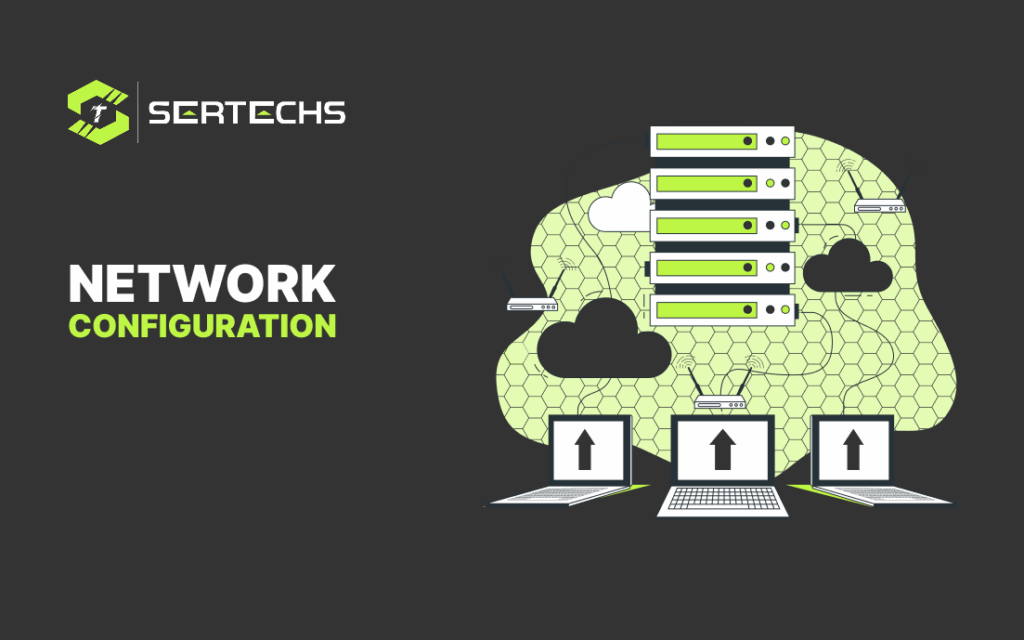
Network configuration refers to the process of setting and arranging the elements. That make up a computer network to enable communication, data exchange, and resource sharing among different devices. It involves configuring various network components such as routers, servers, and client devices to establish a functional. Here are some key aspects of network configuration: IP Addressing: Assigning unique IP addresses to devices within a network to identify and communicate with each other. This can be done manually or automatically (using DHCP). Subnetting and CIDR: Classless Inter-Domain Routing allows for more efficient allocation of IP addresses by dividing IP address spaces into smaller subnets. This enables better address space utilization and improved network performance. Routing: Configuring routers to determine the best paths for data packets to travel between different networks. Routing Tables: Configuring routing tables on routers to determine the best path for data packets to travel through the network based on criteria. Such as shortest path, lowest cost, or specific routing protocols like OSPF or BGP. DNS: Setting up DNS servers to translate human-readable domain names into IP addresses, enabling users to access websites and other resources. Firewall Configuration: Implementing and configuring firewalls to monitor and control incoming and outgoing network traffic, enhancing security by enforcing access policies. Network Security Protocols: Implementing security protocols like WPA2/WPA3 for Wi-Fi networks, VPN configurations for secure remote access. Quality of Service (QoS): Managing and prioritizing network traffic to ensure certain applications or services receive sufficient bandwidth and perform optimally. Network Monitoring and Management: Setting up tools and software to monitor network performance, identify issues, and manage network devices efficiently. The complexity of network configuration varies depending on the size and purpose of the network. In larger enterprise environments, network configuration might involve more advanced setups and security measures compared to home. It’s crucial to follow best practices, keep systems updated, regularly monitor the network. Implement security measures to safeguard against potential vulnerabilities and ensure smooth network operations.
Troubleshooting Methods
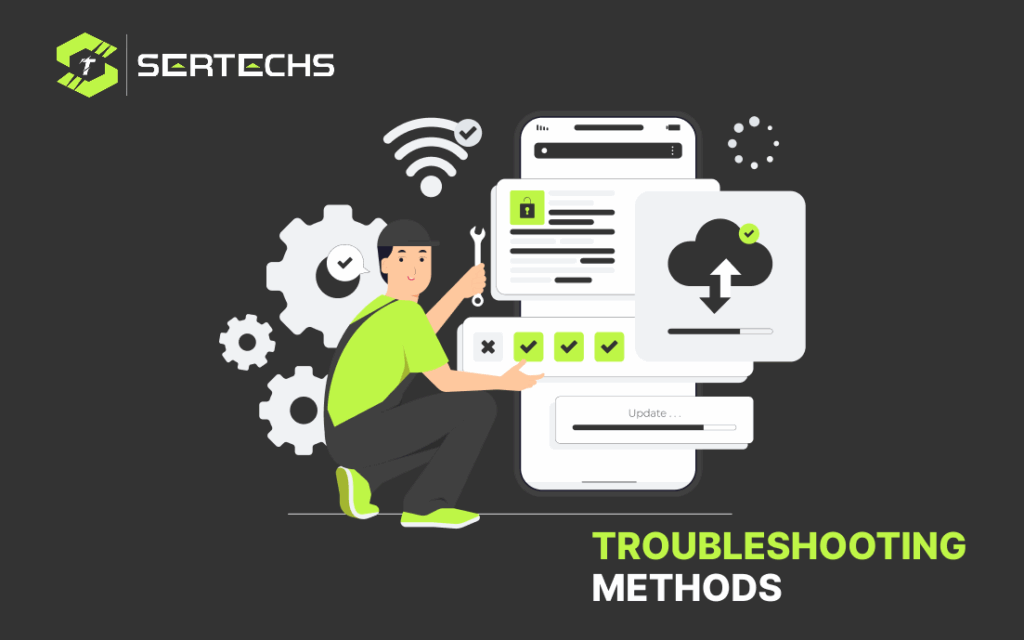
Troubleshooting in web development involves identifying, diagnosing, and resolving issues that may arise during the development or deployment of web applications. Here are some general troubleshooting methods in web development: Check Browser Developer Tools: Use browser developer tools (Chrome DevTools, Firefox Developer Tools, etc.) to inspect elements, view console logs, and monitor network requests. Check for JavaScript errors and warnings in the console. Examine Network Requests: Inspect network requests to identify any failed requests or slow-loading resources. Check HTTP status codes for responses to identify server-side issues. Console Logging: Insert console.log statements in your JavaScript code to trace the flow of execution and log variable values. Utilize more advanced logging techniques, such as console.group() and console.table(). Check Server Logs: Examine server logs for error messages and warnings. Verify that server configurations are correct, and the server is running. Browser Compatibility: Ensure that your web application is compatible with different browsers. Cross-browser testing can help identify issues specific to certain browsers. Clear Caches: Clear browser caches to ensure that you are loading the latest versions of your files. Disable caching temporarily during development. Check for CORS Issues: If your web application makes requests to a different domain, check for Cross-Origin Resource Sharing (CORS) issues. Ensure that server responses include appropriate CORS headers. Debugging Tools: Use debugging tools and frameworks like React DevTools, Redux DevTools, or Vue Devtools if you are working with specific frameworks. Remote Debugging: Use remote debugging tools to inspect and debug applications running on remote devices or servers. Remember that effective troubleshooting often involves a combination of these methods. Patience, persistence, and a systematic approach are key when tackling issues in web development.