
Internet of Behaviors
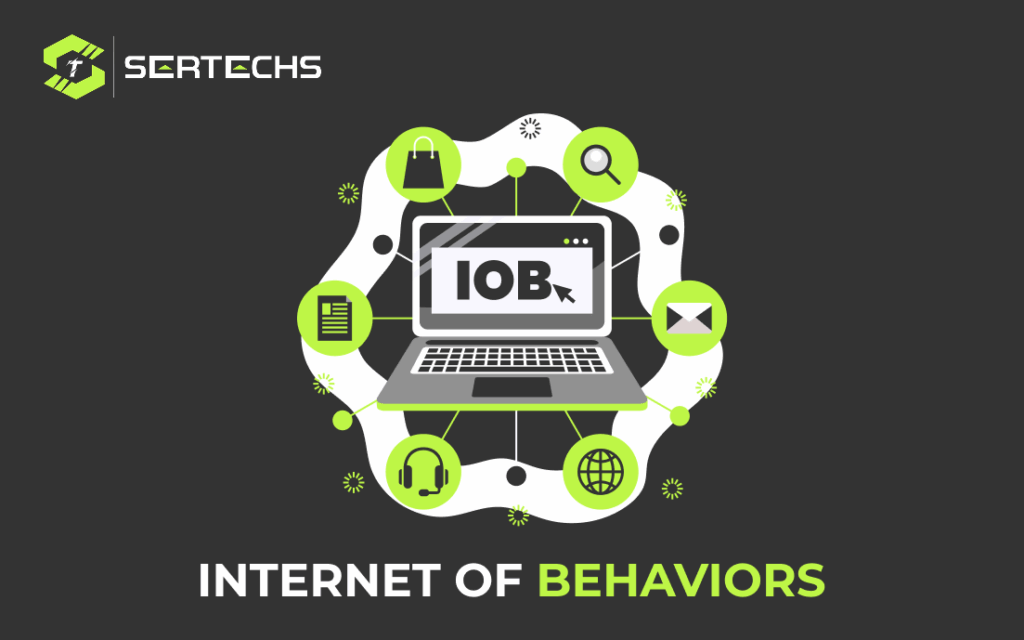
The Internet of Behaviors (IoB) is a concept that refers to the use of data from various sources to influence and modify human behavior. It is closely related to the broader concept of the Internet of Things (IoT), where devices are connected and share data to enable automation and smarter decision-making. In the case of IoB, the focus is specifically on the collection and analysis of data related to human behaviors. Key components of the Internet of Behaviors include: Data Collection: IoB relies on the collection of data from various sources, including smartphones, wearable devices, social media, and other digital platforms. This data can include information about individuals’ habits, preferences, locations, and interactions. Data Analysis: Advanced analytics and machine learning techniques are employed to analyze the collected data. The goal is to extract meaningful insights into human behavior, identify patterns, and predict future behaviors. Behavioral Profiling: Through data analysis, individuals can be profiled based on their behaviors. This profiling can be used to create a more detailed and accurate understanding of a person’s preferences, habits, and tendencies. Personalization: The insights gained from IoB can be leveraged to personalize services, advertisements, and recommendations. By understanding individual behaviors, businesses and organizations can tailor their offerings to better meet the needs and preferences of their target audience. Influence and Intervention: IoB can be used to influence and modify behavior. For example, organizations may use targeted interventions, such as personalized recommendations, notifications, or incentives, to encourage certain behaviors or discourage undesirable ones. Applications of the Internet of Behaviors can be found in various domains, including healthcare, retail, transportation, and smart cities. For instance, in healthcare, IoB can help monitor and improve patient adherence to treatment plans. In retail, it can be used to enhance the shopping experience by offering personalized recommendations. In smart cities, IoB can contribute to better urban planning by understanding and optimizing the movement and behaviors of the population. While IoB offers potential benefits, it also raises concerns about privacy, security, and ethical considerations. The extensive collection and analysis of personal data raise questions about how that data is used, shared, and protected, requiring careful attention to privacy regulations and ethical guidelines.
Graph Data Science
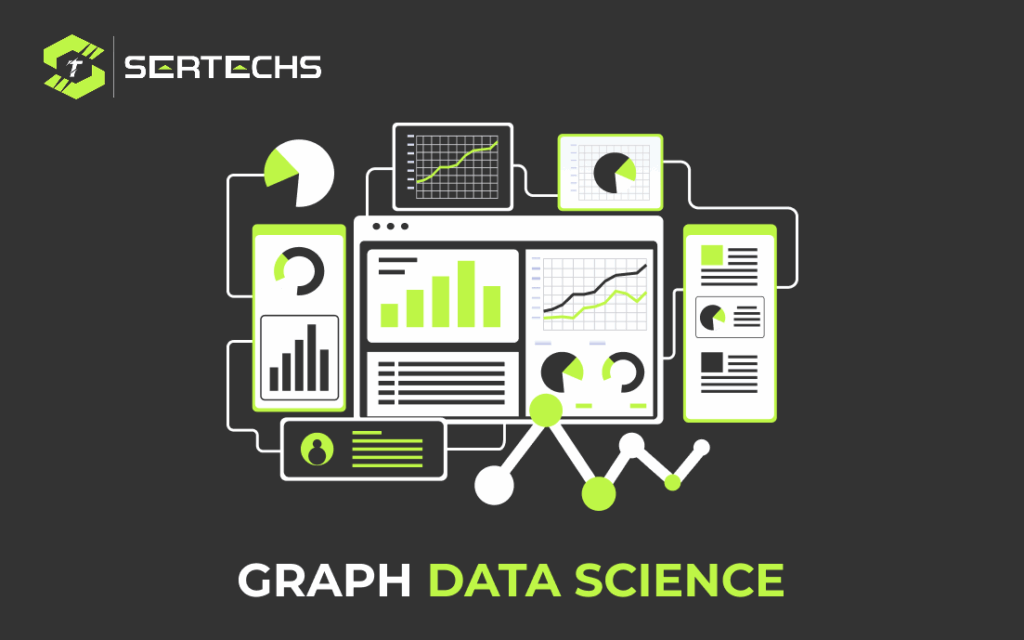
Graph Data Science (GDS) is a field that focuses on applying data science techniques to analyze and extract meaningful insights from graph-structured data. Graphs are mathematical structures that represent relationships between entities, and they are used to model and analyze complex systems of interconnected elements. GDS has applications in various domains, including social network analysis, fraud detection, recommendation systems, and bioinformatics. Here are some key aspects of Graph Data Science: Graph Representation: In GDS, data is often represented as a graph, where nodes represent entities, and edges represent relationships between these entities. This representation is powerful for capturing and analyzing complex relationships in data. Graph Algorithms: GDS involves the application of specialized algorithms designed for graph analysis. These algorithms can uncover patterns, detect anomalies, find clusters, and provide valuable insights into the structure and dynamics of the underlying data. Cypher Query Language: Cypher is a query language specifically designed for querying graph databases like Neo4j. GDS often involves writing queries in Cypher to retrieve and analyze data stored in graph databases. Community Detection: GDS can identify communities or groups of tightly connected nodes within a graph. This is useful in social network analysis, where communities may represent groups of individuals with similar interests or affiliations. Centrality Measures: Centrality measures help identify the most important nodes in a graph. Nodes with high centrality may play crucial roles in the network, and their analysis can provide insights into the overall structure of the system. Graph Embeddings: Graph embedding techniques map nodes or entire subgraphs into vector spaces, preserving structural information. This is useful for applying machine learning models to graph data, as traditional machine learning algorithms often require vectorized input. Link Prediction: GDS can be used to predict missing or future connections in a graph. This is valuable in scenarios such as recommendation systems, where predicting potential relationships between users and items is crucial. Graph Analytics Platforms: Various platforms and tools, such as Neo4j, Amazon Neptune, and Apache Giraph, provide capabilities for storing and analyzing graph data. These platforms often support the execution of graph algorithms and queries to extract meaningful information. Applications in Various Domains: GDS finds applications in diverse domains, including social media analysis, financial fraud detection, supply chain optimization, drug discovery, and network security. Graph Data Science is an evolving field, and as the volume of interconnected data continues to grow, the importance of understanding and analyzing these complex relationships becomes increasingly critical for making informed decisions in various domains.
Quantum Cryptography

Quantum cryptography, also known as quantum key distribution (QKD), is a field of cryptography that uses principles from quantum mechanics to secure communication. It leverages the fundamental properties of quantum physics to provide a level of security that is theoretically unbreakable, even in the face of advanced computing techniques. The key idea behind quantum cryptography is to use the quantum properties of particles, such as photons, to exchange cryptographic keys in a way that makes eavesdropping nearly impossible. Here are some key concepts and principles of quantum cryptography: Quantum Key Distribution (QKD): QKD is the core technology in quantum cryptography. It allows two parties, typically called Alice and Bob, to securely exchange cryptographic keys. The security of QKD is based on the principles of quantum mechanics, including Heisenberg’s uncertainty principle, the no-cloning theorem, and the properties of entangled particles. Uncertainty Principle: Heisenberg’s uncertainty principle states that certain pairs of physical properties, such as position and momentum, cannot be precisely measured simultaneously. In the context of quantum cryptography, this means that if an eavesdropper, usually referred to as Eve, tries to intercept the quantum signals being sent, her measurements will introduce errors that can be detected. No-Cloning Theorem: The no-cloning theorem states that it is impossible to create an exact copy of an arbitrary unknown quantum state. This property is crucial for the security of QKD because it prevents an eavesdropper from making a perfect copy of the quantum key. Quantum Entanglement: Quantum entanglement is a phenomenon where the quantum states of two or more particles become correlated in such a way that the state of one particle is dependent on the state of another, even when they are separated by large distances. Entangled particles are often used in QKD to detect eavesdropping attempts because any measurement on one of the entangled particles will immediately affect the other. Photon-Based QKD: One common implementation of QKD involves using individual photons (particles of light) to transmit quantum information. Alice sends a stream of single photons, each in one of two possible states (e.g., horizontal or vertical polarization), to Bob. Bob measures the polarization of these photons to generate a shared cryptographic key. The key is then used for secure communication. Security Proofs: QKD protocols are accompanied by mathematical proofs that demonstrate the security of the key exchange process under certain assumptions. These proofs show that any eavesdropping attempt will introduce errors that can be detected by Alice and Bob. While quantum cryptography offers theoretically unbreakable security, practical implementations still face various challenges, including the need for specialized hardware, sensitivity to environmental conditions, and limited transmission distances. Nevertheless, it represents a promising approach to securing sensitive communications in the future, particularly as quantum technology continues to advance.
Human Augmentation
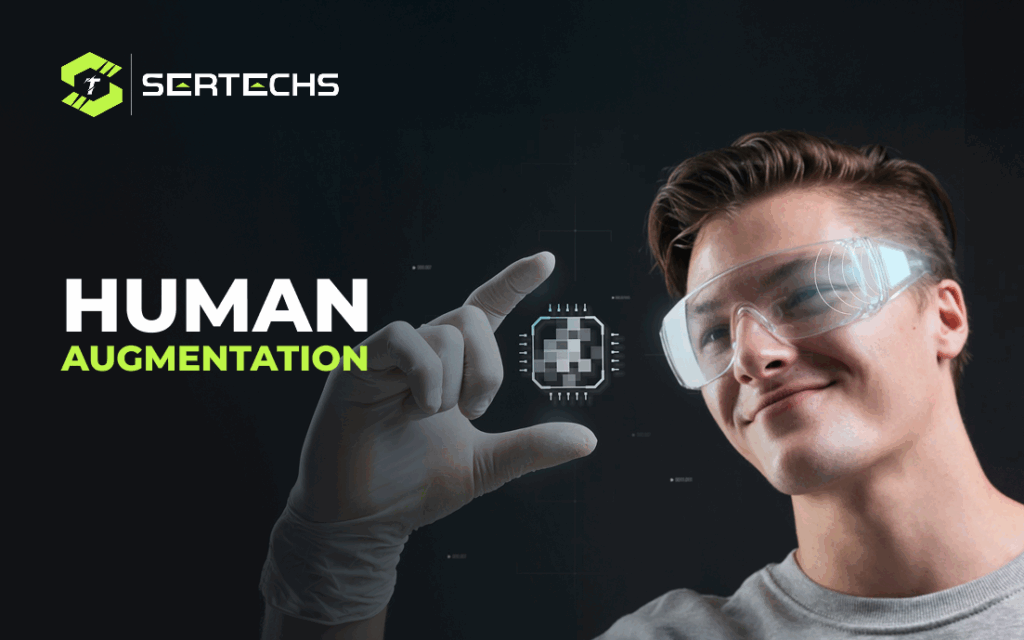
Human augmentation refers to the use of technology and other methods to enhance or improve the physical or cognitive capabilities of the human body beyond its natural limits. It can take various forms and is often used to enhance performance, treat medical conditions, or simply improve the overall quality of life. Here are some common areas of human augmentation: Medical Augmentation: This includes prosthetic limbs, cochlear implants for hearing-impaired individuals, and artificial organs like pacemakers and artificial hearts. These technologies are used to restore or enhance bodily functions in individuals with disabilities or medical conditions. Cognitive Enhancement: Cognitive augmentation aims to improve mental faculties such as memory, attention, and problem-solving. This can be achieved through pharmaceuticals (nootropics), brain-computer interfaces (BCIs), or neurostimulation techniques. Physical Enhancement: This category includes exoskeletons, wearable technology, and biometric sensors that can enhance physical strength, endurance, and overall performance. These are often used in military and industrial applications. Augmented Reality and Virtual Reality : AR and VR technologies can augment human perception by overlaying digital information onto the real world (AR) or immersing individuals in a simulated environment (VR). They are used in various industries, including gaming, education, healthcare, and training. Biotechnology: Advances in genetic engineering and biotechnology allow for the modification of human genes to treat genetic diseases or enhance desired traits. This is a highly controversial and ethically complex area, often referred to as “genetic augmentation.” Wearable Technology: Devices like smartwatches, fitness trackers, and augmented reality glasses can provide real-time data and information to users, augmenting their daily experiences and abilities. Bionics: Bionics involves the integration of biological and artificial components to create hybrid systems. This can include bionic limbs, organs, or sensory enhancements. Cybernetics: Cybernetics is the study of systems, control, and communication in animals and machines. In the context of human augmentation, it can involve the fusion of biological and artificial systems to improve overall functionality. Biohacking: Some individuals and communities engage in DIY or underground experimentation with various technologies, supplements, and implants to augment their bodies and capabilities. These practices can range from the use of RFID implants for convenience to more extreme modifications. Human augmentation holds significant promise in various fields, but it also raises important ethical, social, and regulatory considerations. Balancing the potential benefits with potential risks and concerns about equity and access is an ongoing challenge for policymakers and society as a whole.
Super App
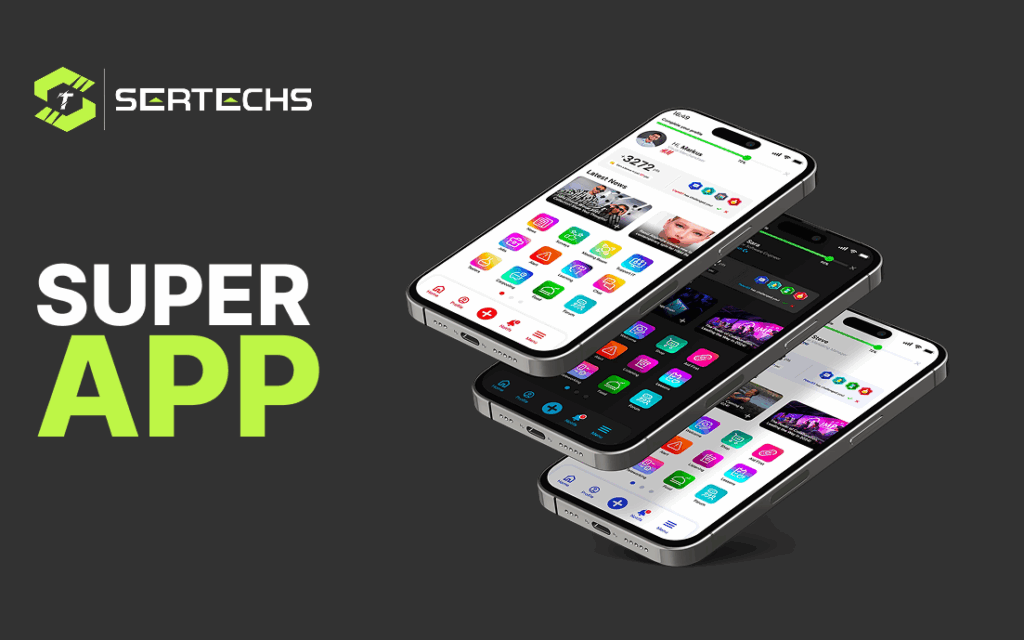
A super app is a mobile application that offers a wide range of services and features beyond its core functionality, effectively acting as a one-stop destination for various activities and needs. These apps aim to provide users with a seamless and integrated experience by combining multiple services within a single platform. Super apps have gained popularity in recent years, particularly in Asia, and they often encompass services such as: Messaging and Social Networking: Super apps often include chat and messaging functions, allowing users to communicate with friends and family. These apps may also integrate social networking features. E-commerce and Shopping: Users can shop for a wide range of products and services, from groceries and clothing to electronics and more. Payment and delivery options are typically integrated. Ride-Hailing and Transportation: Super app includes ride-hailing services for taxis, motorcycles, or even carpooling. They may also provide information on public transportation. Payment and Digital Wallets: Digital wallets are often integrated, allowing users to make payments, transfer money, and manage their finances. Food Delivery and Ordering: Ordering food from restaurants and having it delivered to your location is a common feature of super apps. Entertainment and Content: These apps may offer streaming services for music, movies, TV shows, and other forms of entertainment. Travel and Booking: Users can book flights, hotels, and other travel-related services within the app. It may also provide information on local attractions and activities. Utility and Lifestyle Services: Super apps often include utilities like weather forecasts, news, and health and fitness features. They may also offer services related to booking appointments, home services, and more. Financial Services: Beyond digital wallets, some super apps offer more comprehensive financial services, such as loans, insurance, and investment options. Notable examples of super apps include WeChat in China, which offers a wide range of features, and Gojek in Southeast Asia, which provides services like ride-hailing, food delivery, and payments. Super apps aim to create a digital ecosystem that keeps users engaged and meets their daily needs, making them central to many aspects of their lives. The concept of super apps reflects the trend toward digital integration, convenience, and the idea of consolidating multiple services into a single platform to streamline users’ interactions and experiences.
Threats in IoT Security

Internet of Things (IoT) security faces various threats and challenges due to the interconnected nature of devices and the potential vulnerabilities in the IoT ecosystem. Some of the common threats in IoT security include: Unauthorized Access: Unauthorized users gaining access to IoT devices or networks, potentially compromising data, controlling devices, or using them as entry points to launch attacks. Data Privacy and Theft: IoT devices often collect and transmit sensitive data. Unauthorized access or data breaches can result in the theft of personal or confidential information. Device Tampering: Physical tampering with IoT devices can lead to unauthorized control or manipulation, potentially causing harm or disrupting operations. Denial of Service (DoS) Attacks: Attackers can flood IoT networks or devices with traffic, overwhelming them and causing service disruptions. Insecure Communication: Inadequate encryption and authentication mechanisms can lead to eavesdropping on data transmissions, potentially exposing sensitive information. Weak Passwords and Credentials: Many IoT devices come with default or weak credentials, making them easy targets for password-based attacks, like brute force or dictionary attacks. Lack of Security Updates: Manufacturers may not provide timely security updates or patches for IoT devices, leaving them vulnerable to known vulnerabilities. Supply Chain Vulnerabilities: Compromised components or firmware during the manufacturing process can introduce vulnerabilities into IoT devices before they even reach the end user. Cloud and Backend Vulnerabilities: Weaknesses in the cloud infrastructure or backend services that support IoT systems can be exploited to compromise the entire ecosystem. Lack of Device Management: Poor device management practices can result in devices not being properly configured or monitored, making them easy targets for attacks. Physical Security: Physical theft, damage, or tampering of IoT devices can compromise their functionality and the security of the network. Botnets: IoT devices can be harnessed into botnets for use in larger cyberattacks, like Distributed Denial of Service (DDoS) attacks. Interoperability Issues: Incompatibility or poor integration between different IoT devices and platforms can create security gaps and vulnerabilities. To address these IoT security threats, it is essential to implement security best practices such as strong authentication, encryption, regular updates, intrusion detection, and access control. Additionally, a comprehensive security strategy that considers the entire IoT ecosystem, from device to network to cloud, is crucial to mitigate these threats effectively.
Web Assembly
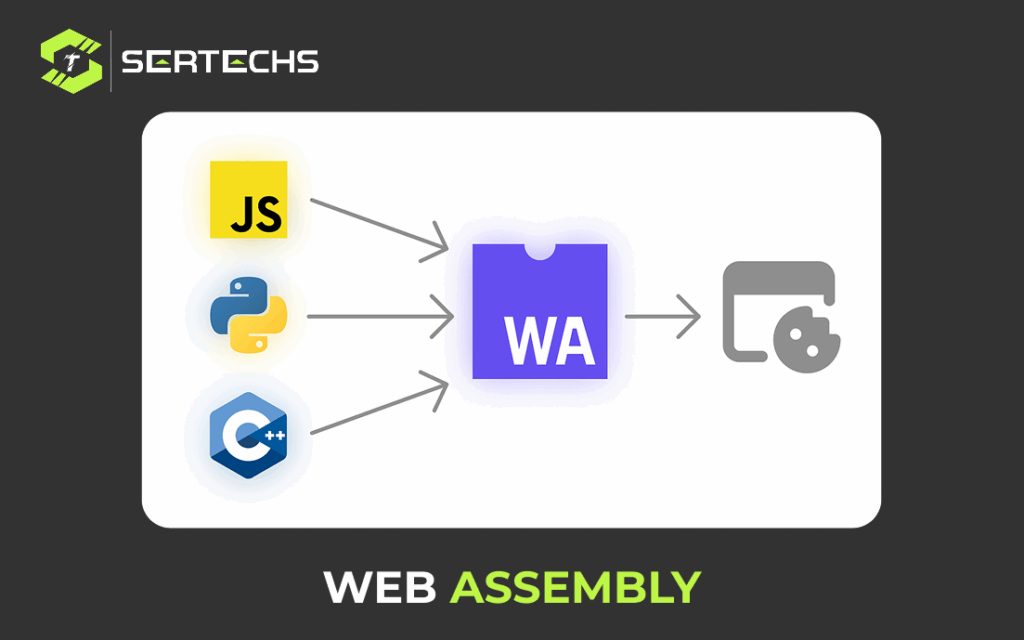
Web Assembly, often abbreviated as Wasm, is an open standard and a binary format designed for safe and efficient execution on web browsers and other environments. It serves as a portable compilation target for high-level programming languages like C, C++, and Rust, enabling them to run in web browsers and other runtime environments with near-native performance. Here are some key points about Web Assembly: Portable and Efficient: Web Assembly is designed to be a low-level virtual machine that runs at near-native speed. It provides a compact binary format that is both efficient to decode and execute. Browser Integration: It is supported by most modern web browsers, including Google Chrome, Mozilla Firefox, Microsoft Edge, and Safari. This allows web developers to run code written in languages other than JavaScript directly in the browser. Programming Language Agnostic: While often associated with languages like C, C++, and Rust web assembly can be generated from a wide range of programming languages. This versatility makes it a useful tool for web developers who want to leverage existing codebases or write high-performance code for the web. Safety: This is designed with security in mind. It enforces a sandboxed execution environment, preventing it from accessing system resources directly. It also provides features like bounds checking to mitigate security vulnerabilities. Interoperability: They can interface with JavaScript code seamlessly, allowing developers to leverage the strengths of both languages within a single application. This interoperability is essential for integrating Web Assembly into web applications. Versatility: It is not limited to web browsers. It can be used in various runtime environments, such as Node.js, desktop applications, and cloud services, expanding its applicability beyond the web. Small binary size: The binaries are compact, reducing load times and improving performance. This is especially important for web applications where fast loading is critical. Open standard: It is an open and community-driven standard, maintained by the World Wide Web Consortium (W3C) and supported by various tech companies and organizations. To use Web Assembly, developers typically write code in a high-level language like C, C++, or Rust and then compile it to Web Assembly binary format. Once compiled, its code can be embedded in web pages and executed within a web browser or other supported environments.
Smarter Devices
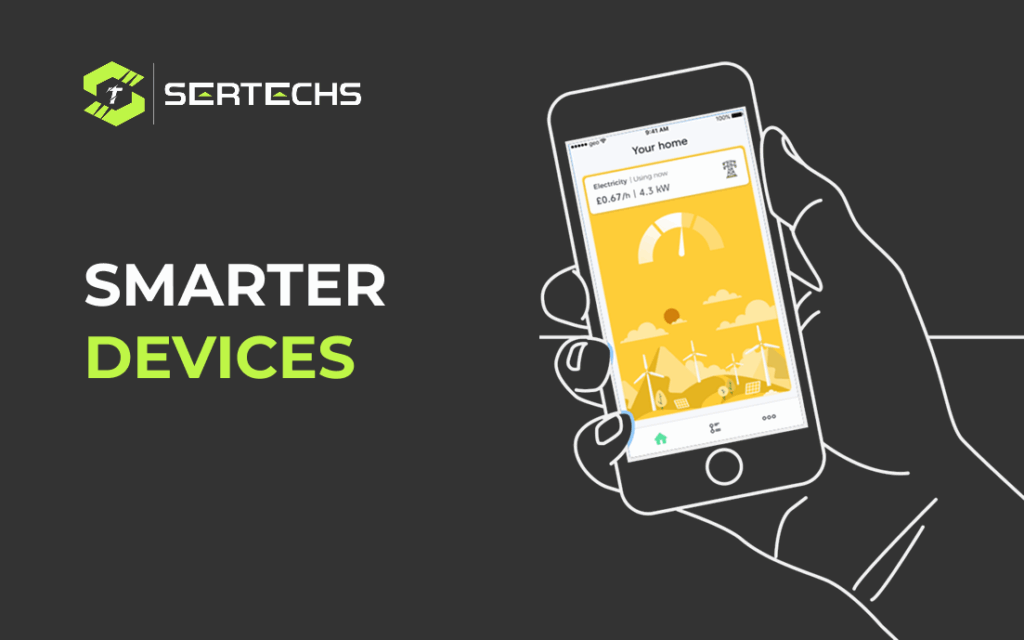
Smarter devices refers to electronic and connected devices that have advanced capabilities, often leveraging technologies such as AI and IoT. The cloud computing to enhance their functionality, intelligence, and interaction with users. Characteristics and examples of smarter devices: Connectivity: Smarter devices are typically connected to the internet, allowing them to communicate with other devices and services. This connectivity can be wireless or wired. Sensors: Many smarter devices are equipped with sensors that can collect data about their environment or usage. These sensors enable the device to make informed decisions or provide useful information to users. Data Processing: These devices often have onboard processing capabilities or access to cloud-based processing to analyze data and make decisions. This can involve machine learning algorithms and artificial intelligence to improve their functionality over time. Automation: Smarter devices can perform tasks autonomously or based on predefined rules, reducing the need for direct human intervention. For example, smart thermostats can adjust the temperature based on occupancy and user preferences. User Interaction: They often provide user-friendly interfaces for controlling and monitoring their functions. This can include mobile apps, touchscreens, or remote controls. Adaptability: These devices can adapt and learn from user behavior. For example, smart home lighting systems can adjust brightness and color temperature based on the time and user preferences. Examples of smarter devices: Smartphones: Modern smartphones are equipped with various sensors, can connect to the internet, and offer a wide range of applications that make them versatile and adaptable to users’ needs. Smart Speakers: Devices like Amazon Echo and Google Home are equipped with voice assistants and can control other smart home devices, answer questions, and provide entertainment. Smart Home Devices: These include smart thermostats, lighting systems, security cameras, and door locks that can be controlled remotely and adapt to user preferences. Wearable Technology: Smartwatches and fitness trackers collect health data, monitor physical activity, and provide notifications. Connected Cars: Modern vehicles have integrated GPS, entertainment systems, and can connect to the internet for real-time traffic updates and diagnostics. Smart Appliances: Appliances like refrigerators, ovens, and washing machines can communicate with users, offer energy-saving options, and even order groceries automatically. Industrial IoT Devices: In industrial settings, sensors and connected devices can monitor equipment performance, and improve operational efficiency. Medical Devices: Some medical devices, like pacemakers and insulin pumps, are becoming smarter and can transmit data to healthcare providers. Robots and Drones: Autonomous robots and drones can perform tasks such as cleaning, delivery, and surveillance. The trend toward smarter devices is driven by advancements in technology, including miniaturization, improved connectivity. the growing accessibility of artificial intelligence and machine learning. These devices have the potential to enhance convenience, safety, and efficiency in various aspects of our lives.
Digital Twins
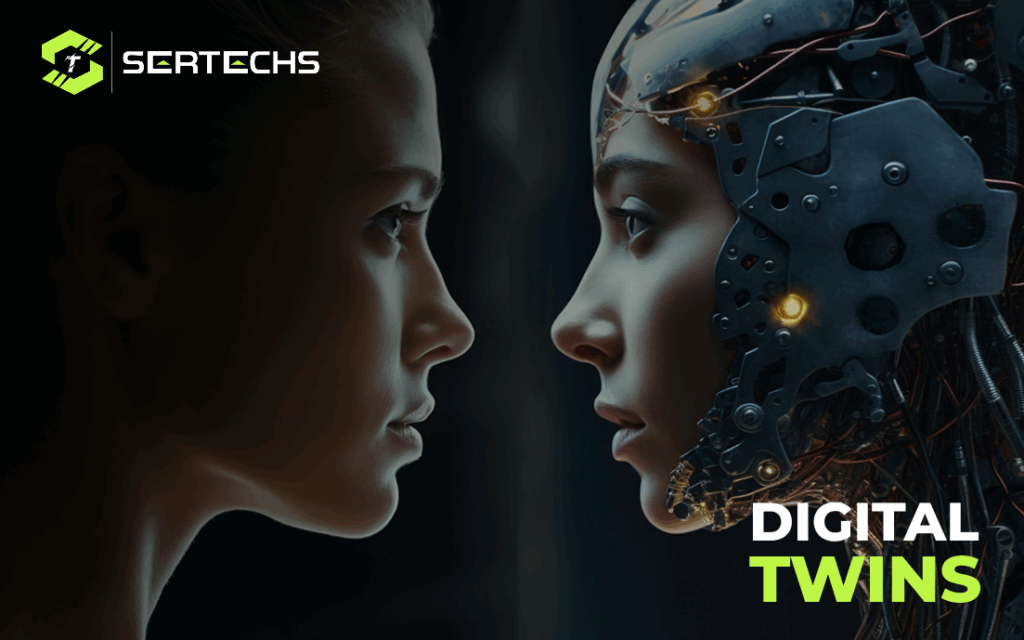
Digital twins are virtual representations of physical objects, systems, or processes that use real-time data and simulation to mirror their real-world counterparts. The concept of digital twins has gained popularity in various industries, including manufacturing, healthcare, urban planning, and more. Due to its potential to improve efficiency, performance, and decision-making. Key points to understand about digital twins: A digital twin is a digital replica of a physical entity, which can be an individual object, a system, or even an entire ecosystem. It’s created by collecting and integrating data from sensors, devices, and other sources in real-time. Components: Physical Entity: This is the real-world object or system that the digital twin represents. Virtual Model: The digital twin’s virtual representation, which includes 3D models and simulations. Data and Connectivity: Real-time data streams from the physical entity to update the virtual model, often collected through sensors and IoT devices. Types of Digital Twins: Product Twins: These represent physical products, such as manufacturing equipment, consumer goods, or vehicles, to monitor their performance and facilitate maintenance. Process Twins: These mimic manufacturing processes or supply chains, enabling optimization, troubleshooting, and risk assessment. System Twins: These replicate larger systems like smart cities or complex infrastructure, helping urban planners and decision-makers model and manage cities. Applications: Manufacturing: They are used to monitor and optimize manufacturing processes, predict equipment maintenance needs, and simulate product designs and production lines. Healthcare: It can help healthcare providers tailor treatments and therapies, while digital twins of medical devices can improve maintenance and efficiency. Smart Cities: Urban planners use digital twins to model and optimize city infrastructure, traffic flow, and energy consumption. Aerospace and Automotive: They are used for design, testing, and predictive maintenance of aircraft and vehicles. Energy and Utilities: It help optimize power grids, water supply systems, and renewable energy installations. Benefits: Improved Efficiency: Its enable real-time monitoring and data-driven decision-making, leading to more efficient operations. Predictive Maintenance: They help predict and prevent equipment failures, reducing downtime and maintenance costs. Innovation and Design: Digital twins aid in product and process innovation by simulating different scenarios and designs. Cost Reduction: By optimizing processes and reducing downtime, organizations can save on operational costs. Challenges: Data Integration: Gathering and integrating real-time data can be complex and costly. Complexity: Creating and maintaining digital twins can be technically challenging.
Voice Search Optimization

Voice search optimization, also known as voice search SEO, is the process of optimizing your online content to make it more accessible and relevant to users who conduct searches using voice-activated virtual assistants like Siri, Google Assistant, Amazon Alexa, or Cortana. As voice search technology has become more prevalent, optimizing your content for voice search is essential for ensuring that your website or digital presence is visible to a growing audience. Here are some key strategies and tips for voice search optimization: Conversational Keywords: Voice search queries tend to be more conversational and natural than traditional text-based searches. Incorporate long-tail keywords and phrases that people are likely to use when speaking to a virtual assistant. Local Optimization: Many voice searches are location-based. Ensure your business information is accurate and up-to-date on platforms like Google My Business, so that voice assistants can provide accurate local information. Mobile Optimization: Most voice searches are conducted on mobile devices. Ensure your website is mobile-friendly and loads quickly for a better user experience. Natural Language Processing (NLP): Use natural language in your content and aim to answer specific questions that users might ask. NLP technology helps virtual assistants understand and provide relevant answers. User Intent: Understand the user’s intent behind their voice search and create content that addresses that intent effectively. This might require conducting research into your target audience’s questions and needs. Site Speed: Ensure your website loads quickly, as voice search users often expect fast and responsive results. Voice-Friendly Content: Create content that is easy to read aloud and sounds natural when spoken. This includes using shorter sentences, simpler language, and clear headings. Mobile App Optimization: If you have a mobile app, optimize it for voice searches, as virtual assistants can often search within apps. User Experience: Provide a seamless and user-friendly experience to engage visitors and encourage them to spend more time on your site. Regular Updates: Stay updated with changes in voice search technology and algorithms. Voice search optimization is an evolving field, and keeping your strategies current is essential. Monitor Analytics: Use tools like Google Analytics to track voice search traffic and performance. Adjust your optimization strategies based on the data you collect. Voice search is expected to continue growing, and optimizing for it can help you reach a broader audience and stay competitive in the online space. Keep in mind that the user experience and the quality of your content remain paramount in voice search optimization.